
Visiting Les Baux-de-Provence and its Medieval Château
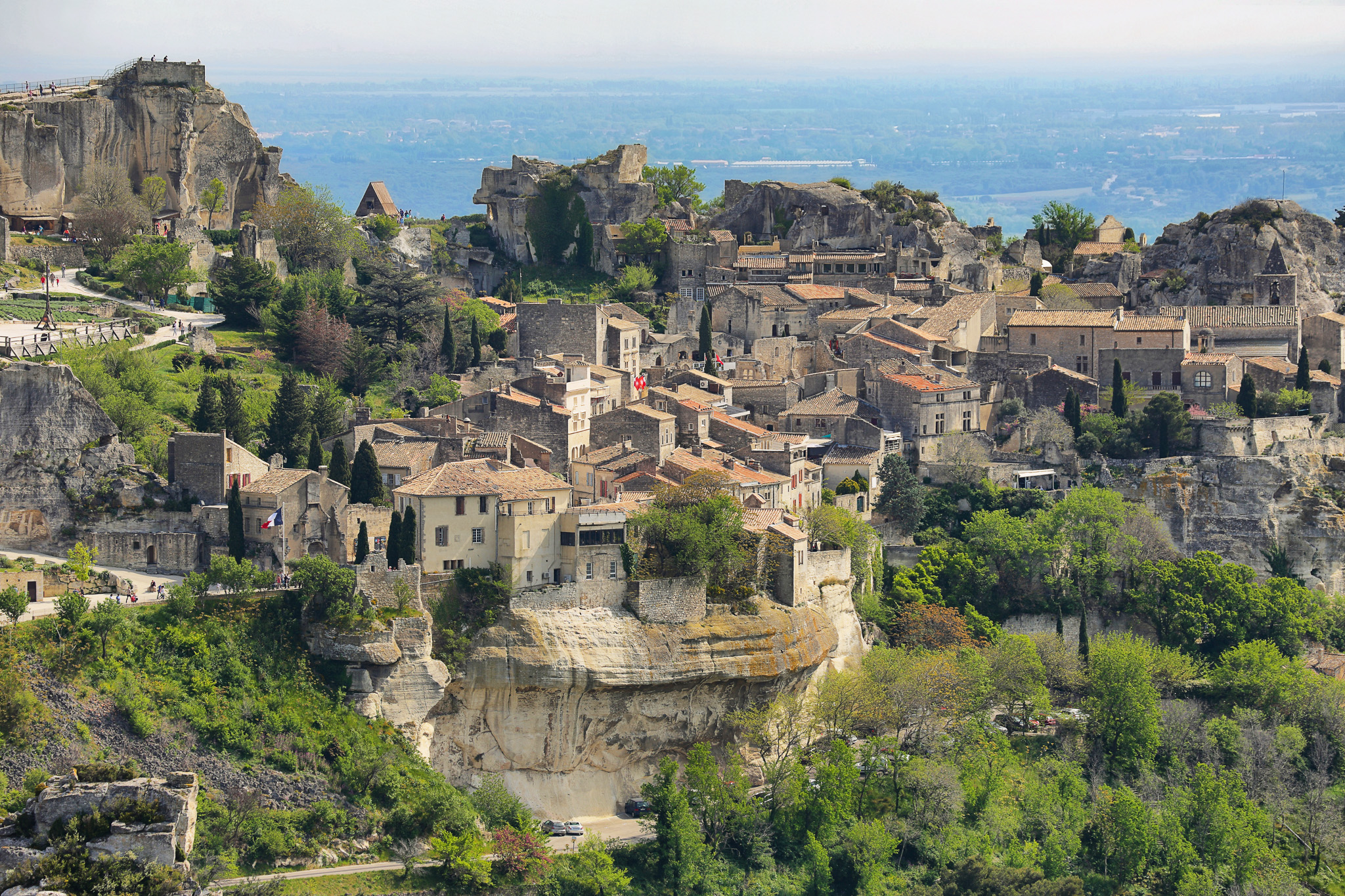
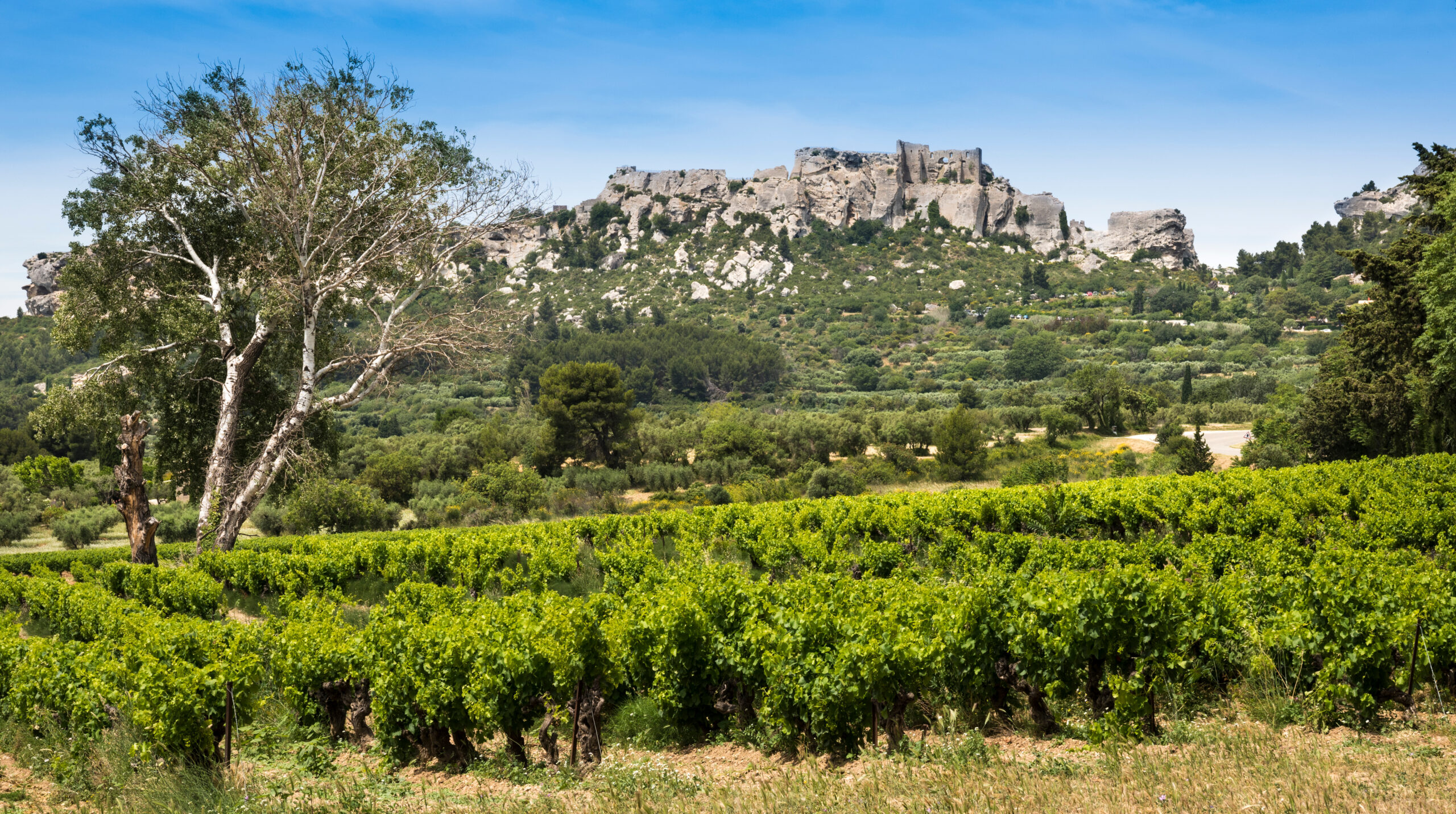
Perched dramatically atop a rocky plateau in the Alpilles mountains, Les Baux-de-Provence is one of those rare destinations that lives up to every expectation. This medieval village, officially designated as one of Les Plus Beaux Villages de France (The Most Beautiful Villages of France), offers visitors an insight into Provençal history, stunning natural beauty, and immersive cultural experiences.
What makes Les Baux truly special is how it combines multiple engaging attractions into one compact location. The village itself is a living museum, with its cobblestone streets, Renaissance façades, and historical monuments. At its summit, the magnificent ruins of the Château des Baux-de-Provence steal your attention. Just below, the otherworldly Carrières de Lumières transforms a former quarry into an immersive art experience.
Whether you’re travelling with children who will love exploring a real medieval fortress, art lovers drawn to unique exhibitions, history enthusiasts seeking authentic Provençal heritage, or simply anyone who appreciates stunning settings and excellent cuisine, Les Baux delivers on every front. The village welcomes over 1.5 million visitors annually – and after you come, you’ll understand why.
The Village of Les Baux-de-Provence
If a village ever deserved the title of France’s most beautiful, Les Baux certainly does! Nestled within the Alpilles Natural Regional Park, this quintessentially French village exudes Provençal charm from every corner. The name “Les Baux” comes from the Provençal word bauç, meaning rocky spur – a fitting description for its spectacular clifftop location.
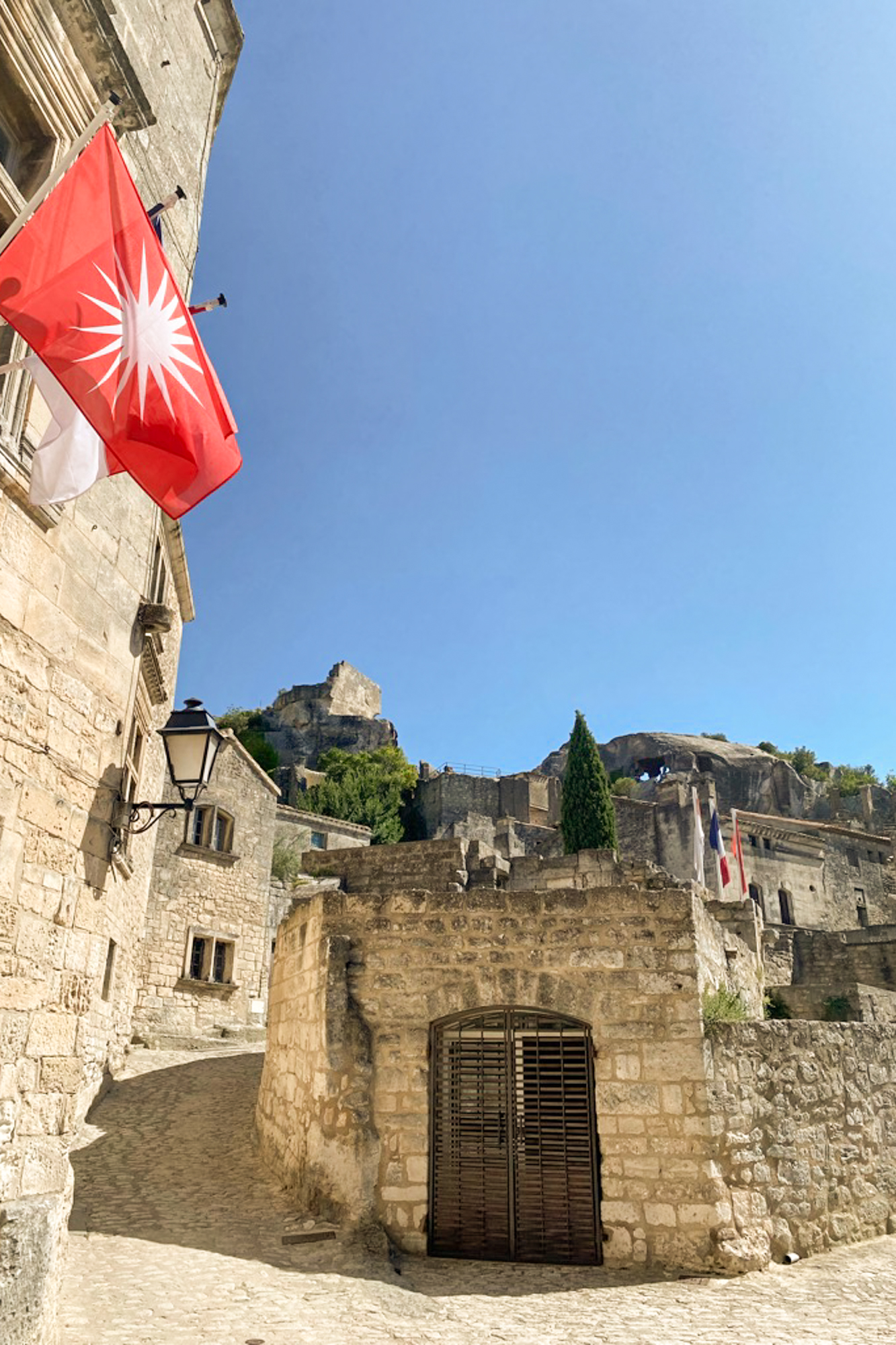
Human settlement here dates back to 6000 BC, when it served as a Celtic oppidum (fortified Iron Age settlement). During the Middle Ages, Les Baux became the seat of the powerful Lords of Baux, who claimed descent from the biblical King Balthazar, one of the Three Wise Men. Their symbol, the sixteen-pointed star, still appears throughout the village today.
The lords of Baux were fearsome warriors who owned vast expanses of land throughout Provence. But they were also known for their famous “court of love” that attracted troubadours and beautiful ladies from across the region – in a unique blend of chivalry and culture. The family line died out with the death of Princess Alix de Baux, after which the village eventually passed into the hands of the French crown.
Exploring the Village Streets
The village is exclusively pedestrian – you’ll park on the outskirts and enter on foot on Rue Porte Mage. The Tourist Information Centre, housed in the Maison du Roy (a 15th-century building where justice was once administered), is just inside the entrance and worth stopping at for maps and information.
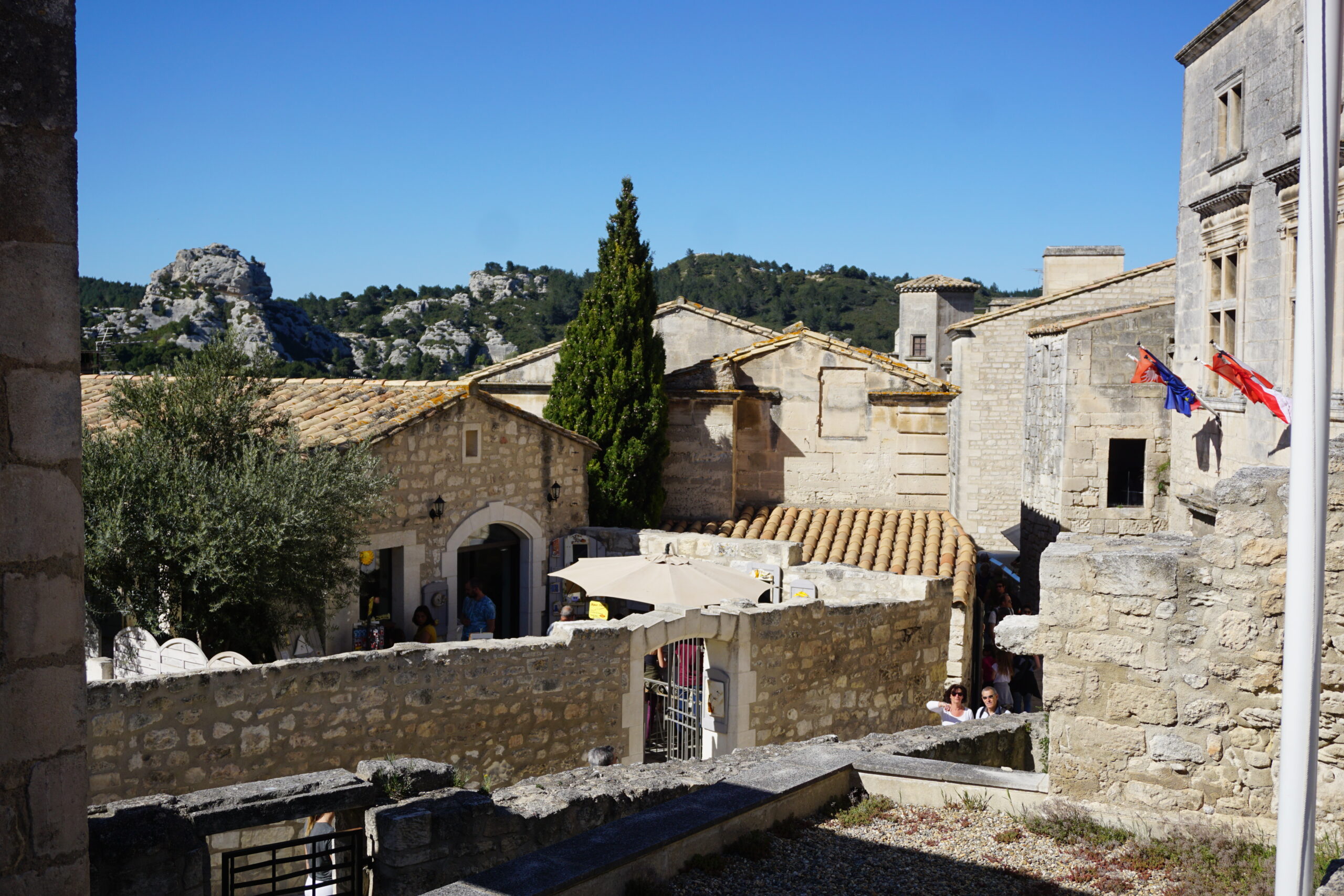
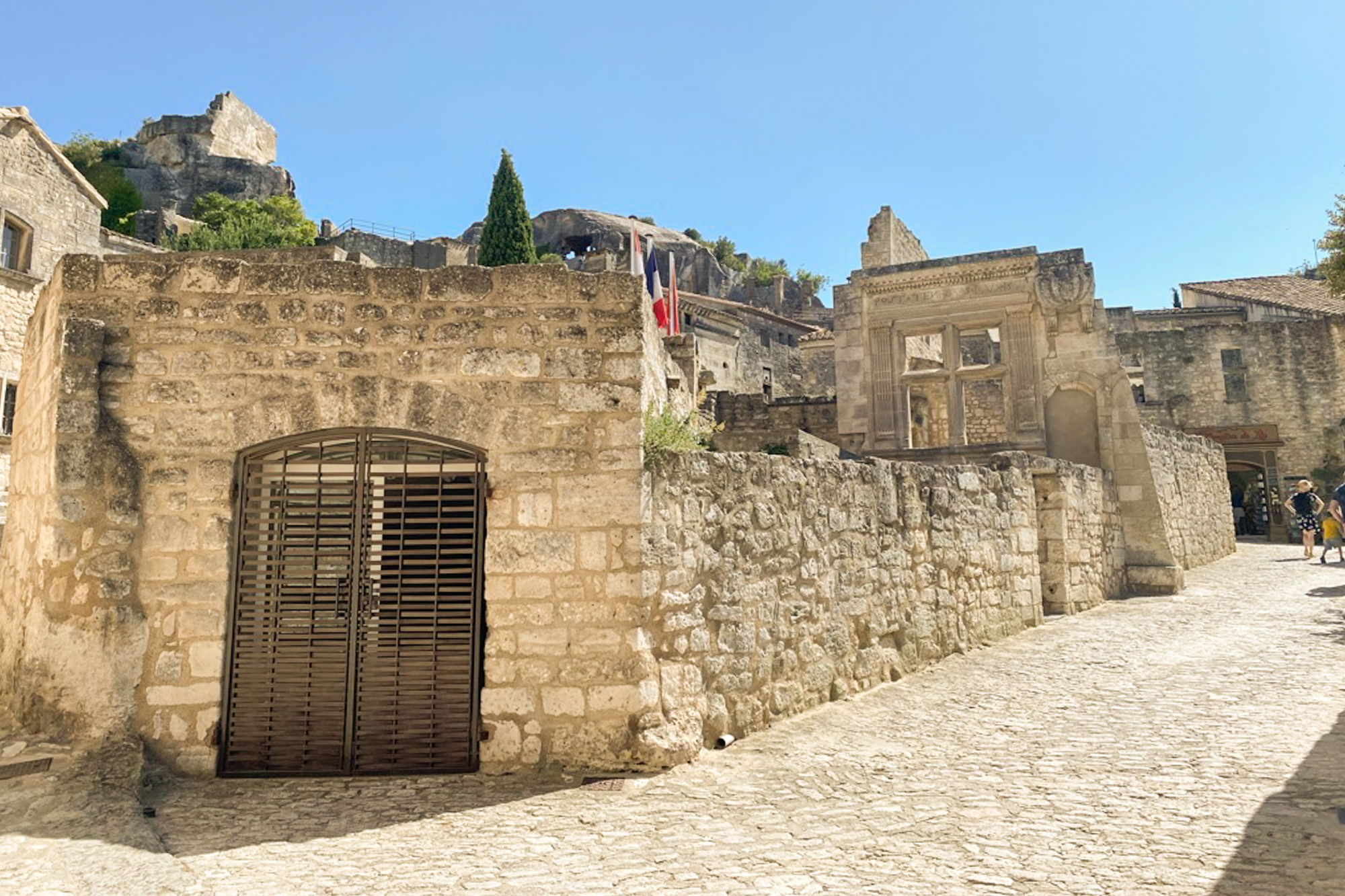
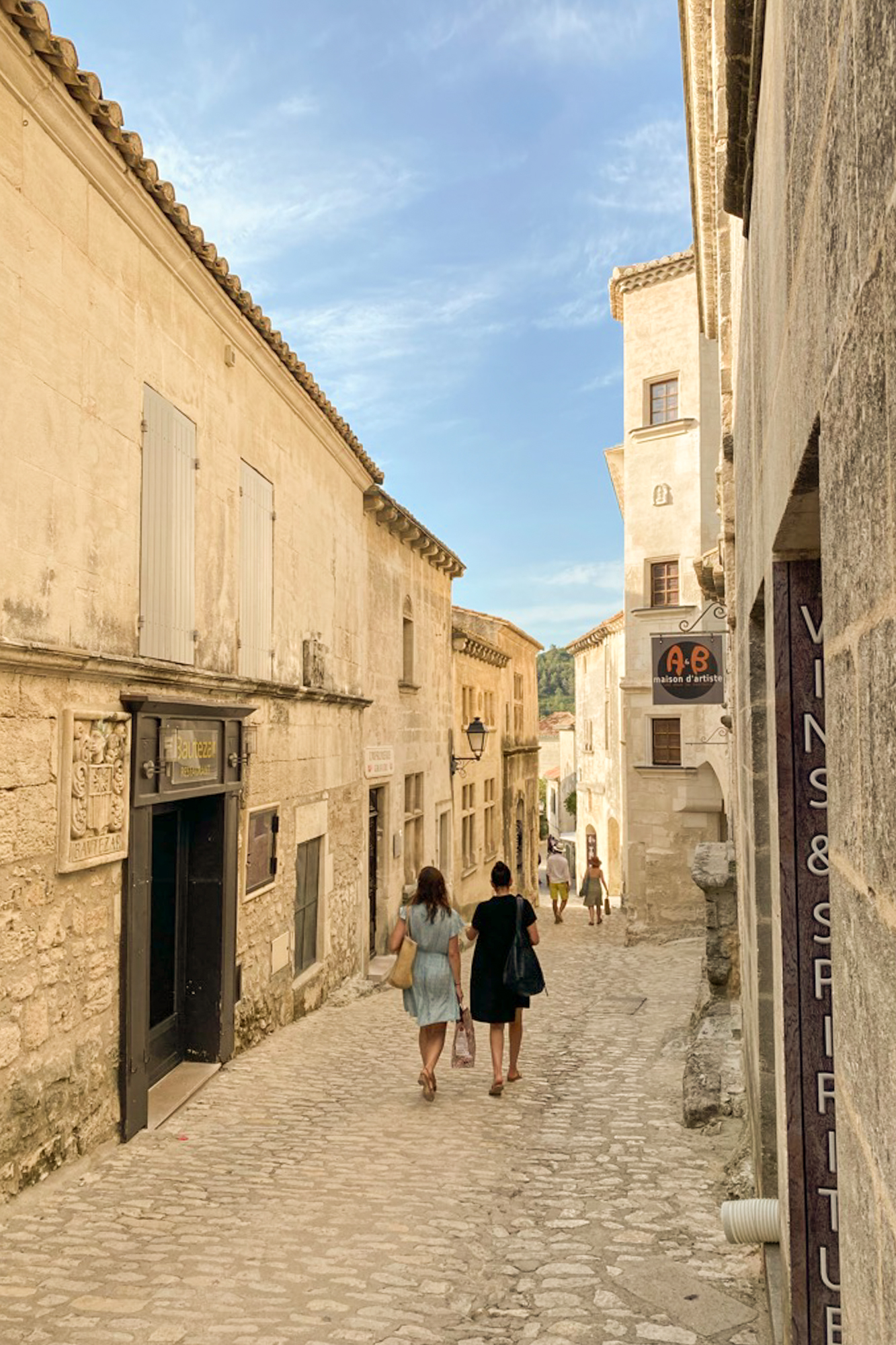
As you wander through the narrow cobblestone streets, you’ll discover a village that has been beautifully restored and lovingly preserved. Stone houses with terracotta roofs line the lanes, many featuring beautiful Renaissance façades and details. The village has 22 monuments listed with France’s historic preservation society, including churches, chapels, grand mansions, and historic gates.
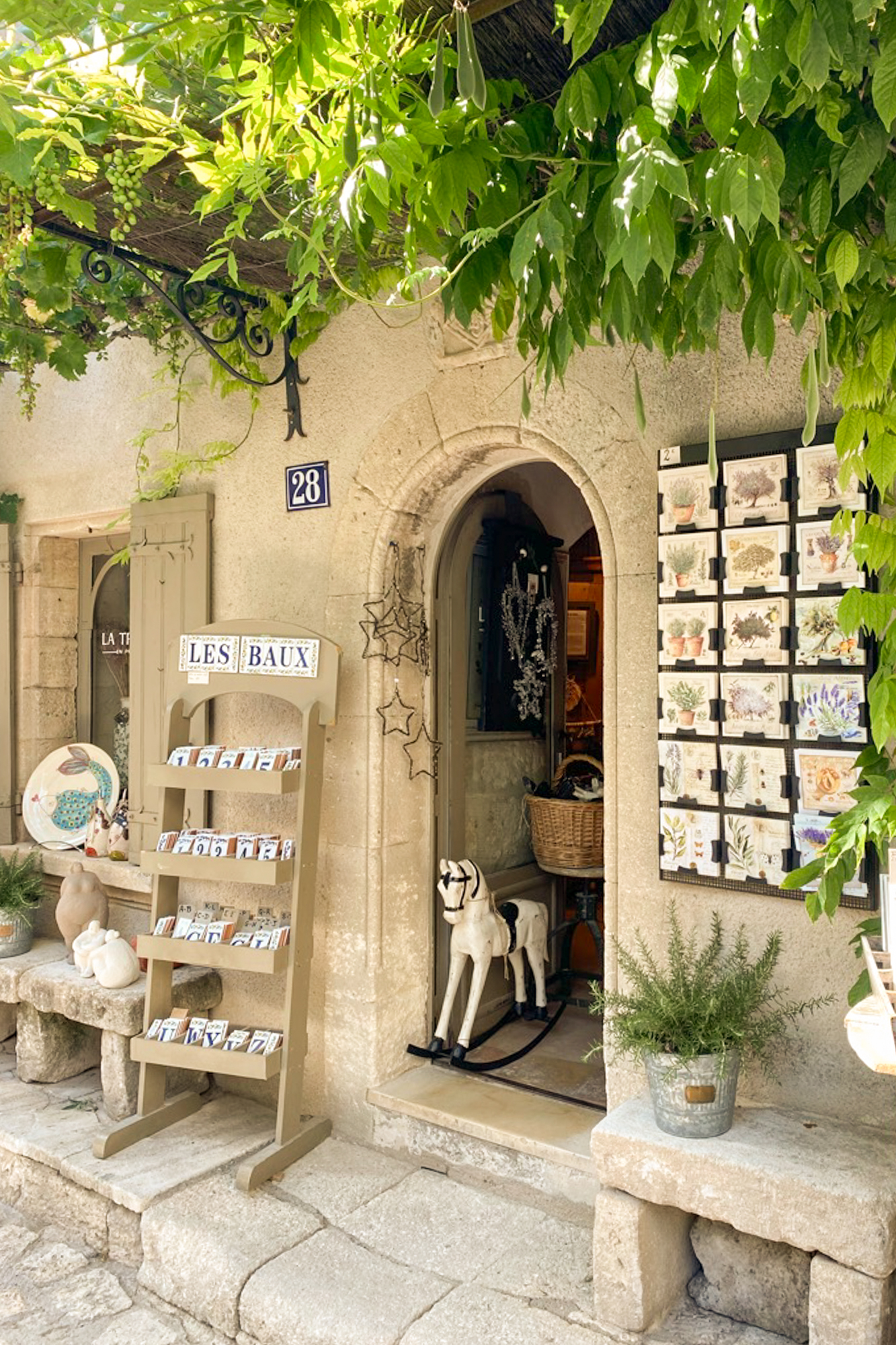
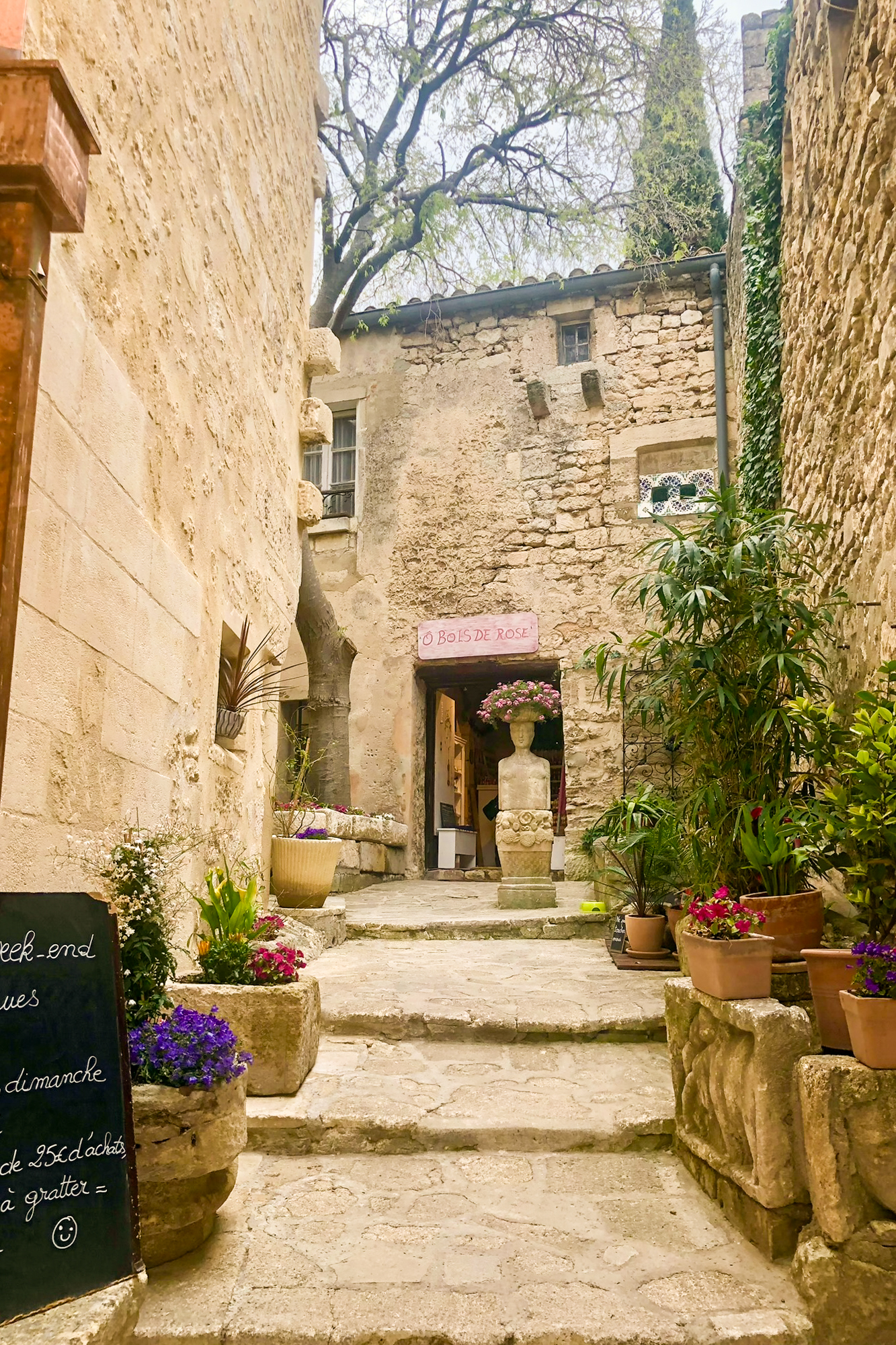
Today, these historic buildings house a mix of art galleries, craft workshops, boutiques selling Provençal products, and museums. The shops range from artisan olive oil producers to local pottery makers, offering authentic regional products rather than generic tourist souvenirs. While the village is undeniably touristic, it does manage to maintain a degree of authenticity, helped by the small number of residents who still live within the old village walls.
Key Village Attractions
While the village is fairly compact and easy to navigate, you’ll want to keep an eye out for the following places of interest.
Église Saint-Vincent: This church, with its beautiful bell tower, offers a relatively quiet corner to rest in the busy village. The church is partly built into the rock face behind it and features stunning stained-glass windows.
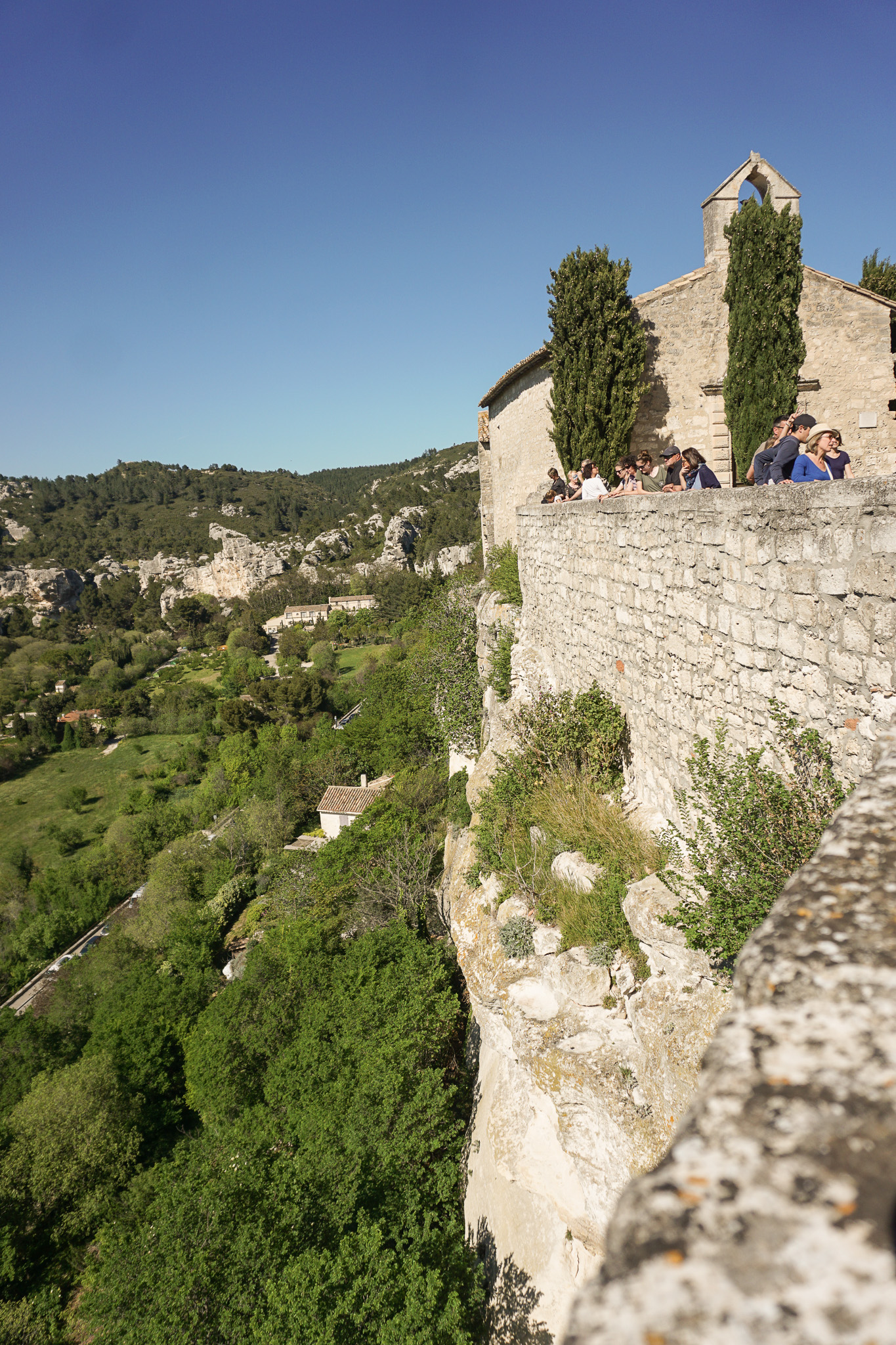
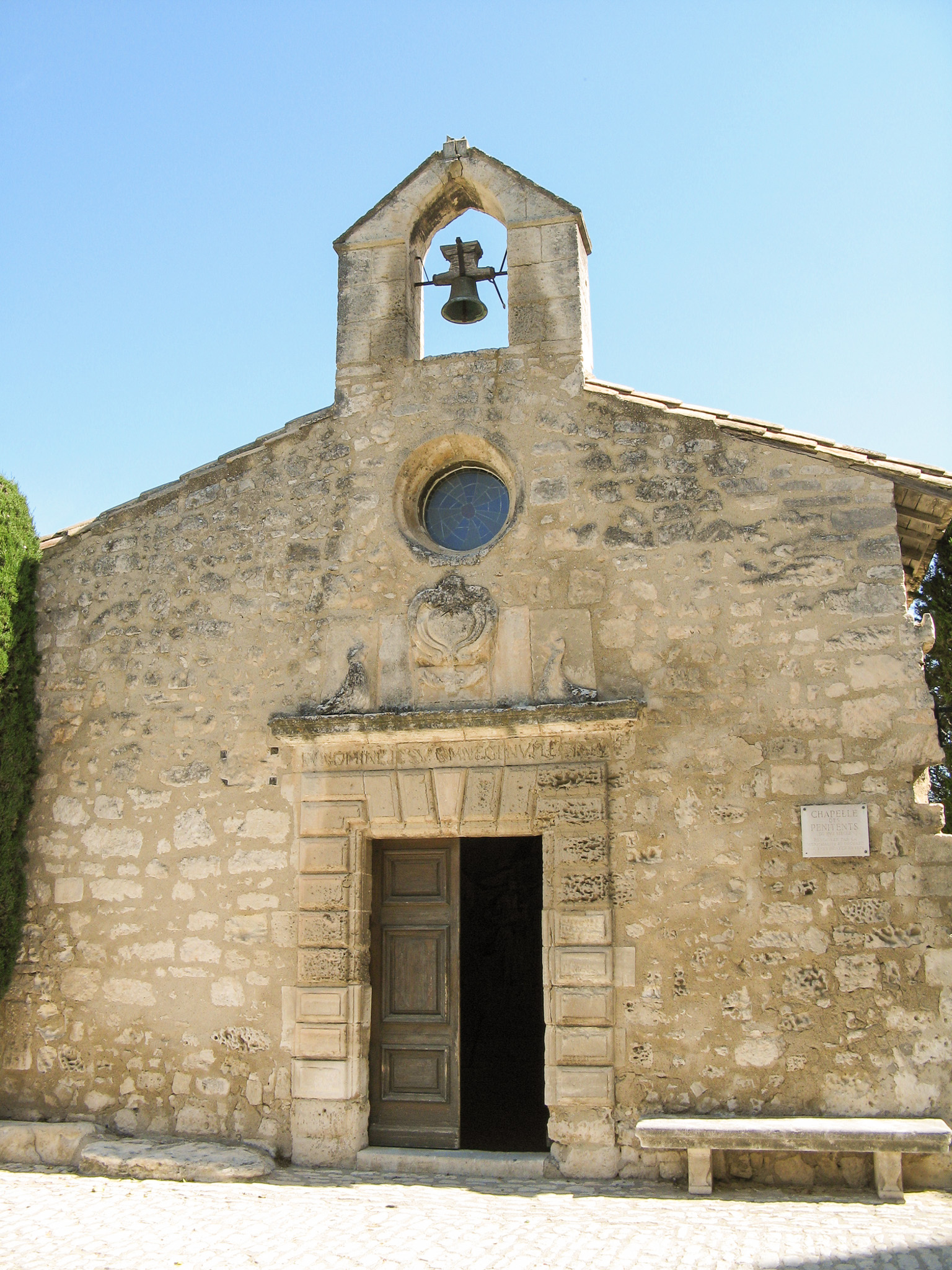
Place Saint-Vincent: This square offers one of the best viewpoints in the village (though the château provides even more spectacular vistas). It’s a perfect spot to pause and appreciate the panoramic views over the valley.
Musée Yves Brayer: Located in the beautifully restored 16th-century Hôtel de Porcelet, this museum is dedicated to the works of 20th-century French artist Yves Brayer, known for his Provençal landscapes.
Post Tenebras Lux Window: These are the remains of a grand Renaissance mansion dating from 1571. Today, only a large ornate window remains, bearing the Latin inscription “Post Tenebras Lux” (After darkness, light) – a motto of the Protestant Reformation.
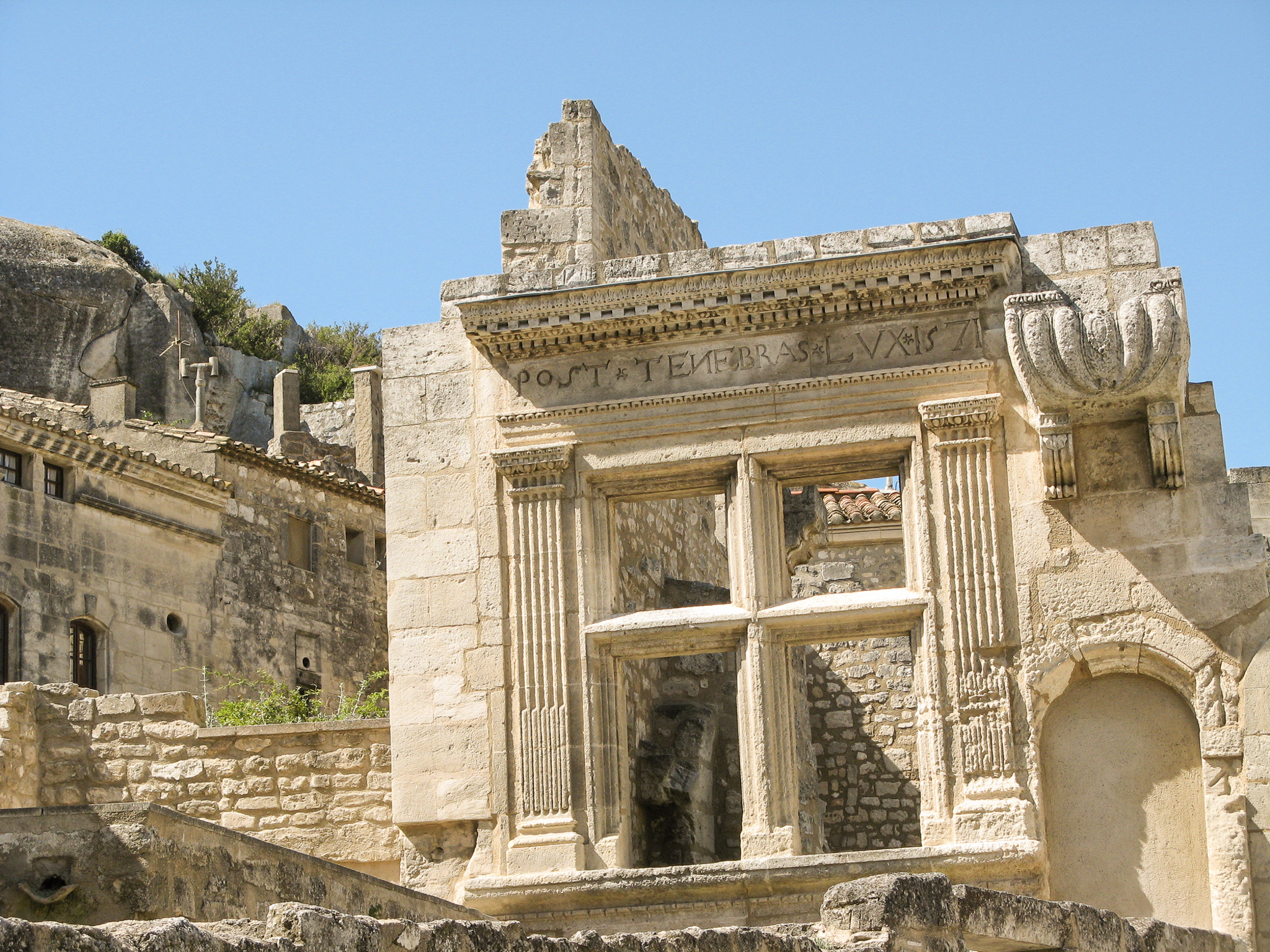
Hôtel de Manville: A stunning Renaissance mansion that now houses the town hall and contemporary art exhibitions.
Musée des Santons: Housed in a charming setting near the entrance to the village, this museum is dedicated to the hand-painted clay figurines that have been a cherished part of Provençal Christmas nativity traditions for generations.
Activities for Families
Kids love visiting Les Baux! The tourism office has developed treasure hunt booklets for children in two age groups (4-6 years and 7-10 years), available in both English and French. These guide young explorers through the village’s hidden gems, making the historical discovery interactive and engaging.
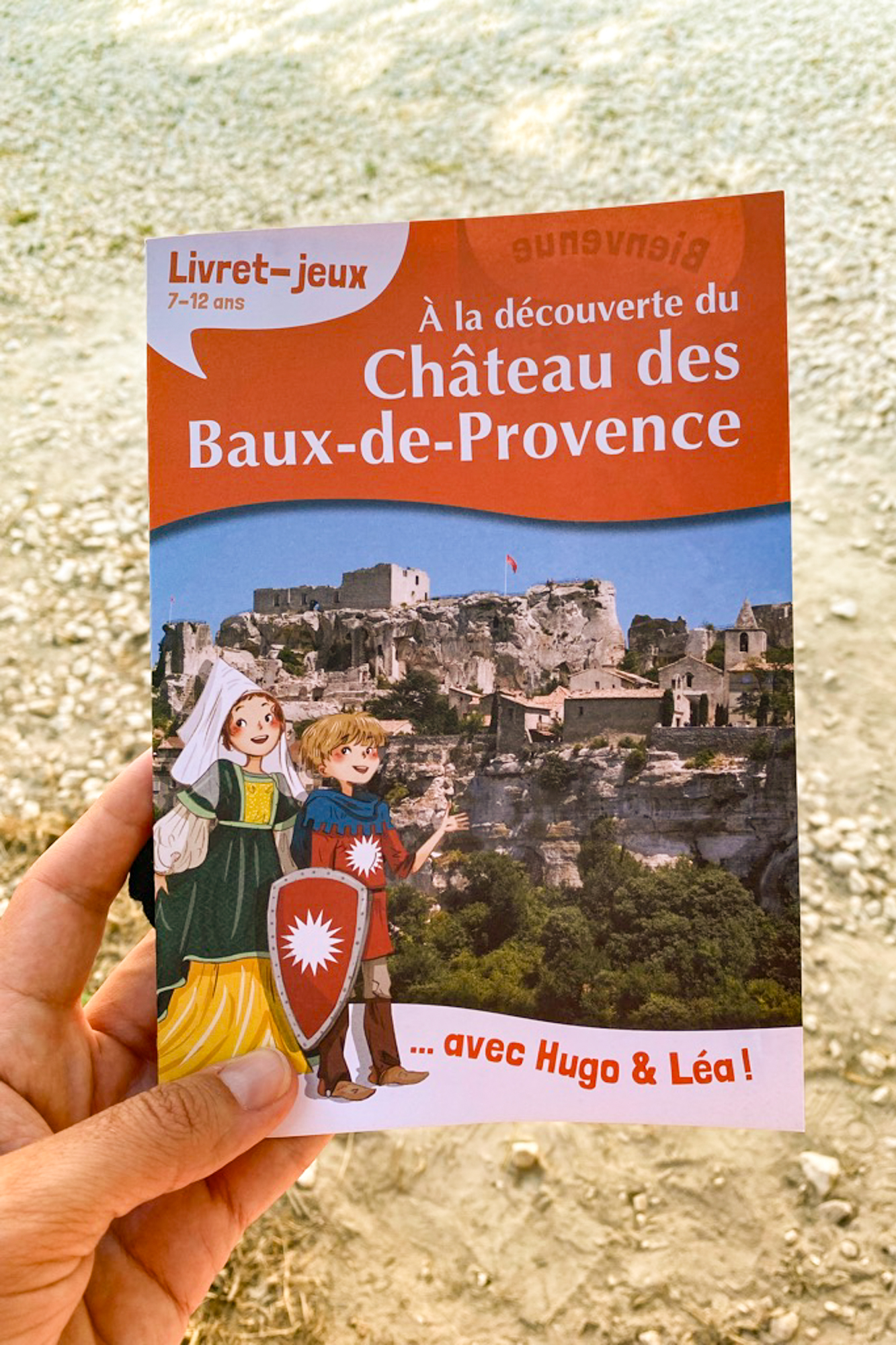
Tip: Download the booklet here before you visit, so you can be ready to explore: French Version or English Version.
The Château des Baux-de-Provence
There’s no hiding the fact that the main attraction here is the Château. It’s one of the most impressive medieval fortresses in Provence, and it’s as large as the village itself, covering an impressive 7 hectares (over 17 acres). Dating from the 10th century, it was one of the most powerful strongholds in medieval Provence. The naturally fortified position on its rocky hilltop made it nearly impossible to attack.
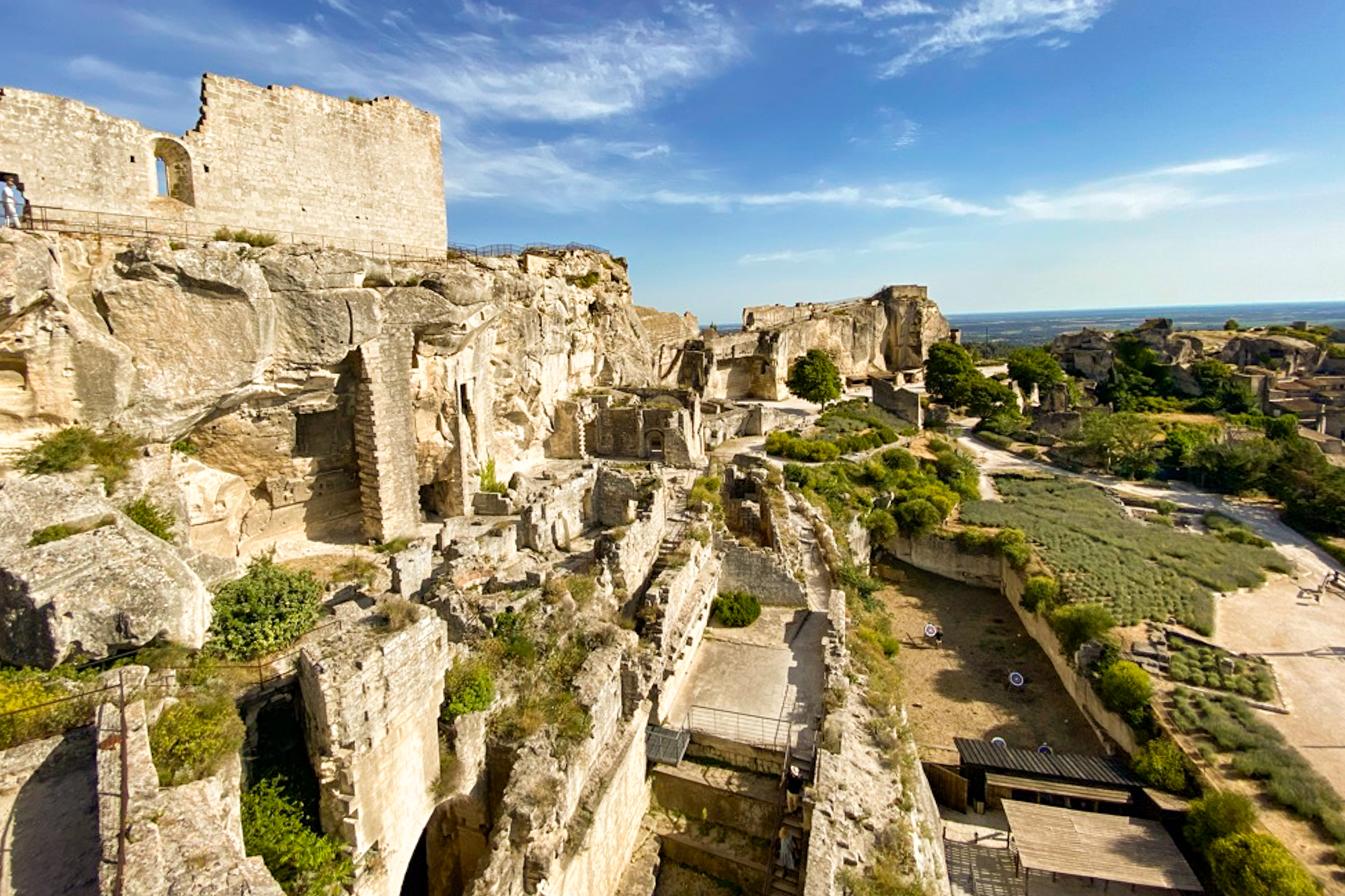
You’ll find the entrance to the Château des Baux-de-Provence at the southern end of the village, on Rue du Trencat. Despite its prominence, the entrance isn’t immediately obvious – but once you pass through, you enter a different world entirely.
A Brief History of the Château
The fortress wasn’t built all at once. It was gradually expanded and strengthened over several centuries, with major building work from about the 11th to the 13th centuries.
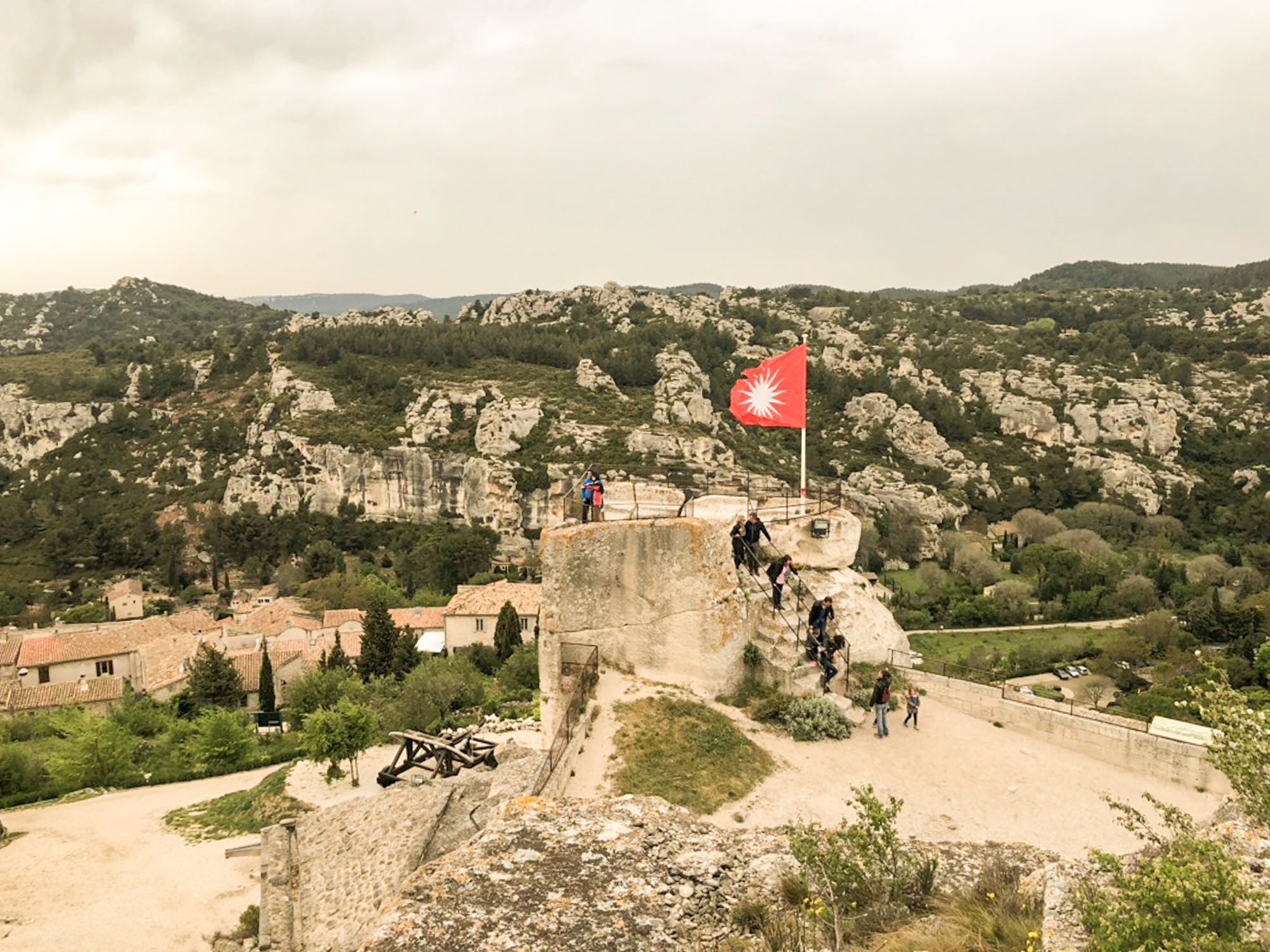
The Baux family line ended in 1426, and the site then passed into the hands of Provence’s rulers, before Provence was absorbed into the French crown later in the 15th century. After being weakened by conflicts and the Wars of Religion, the fortress was finally ordered to be dismantled in 1632, under Cardinal Richelieu, after a Protestant revolt.
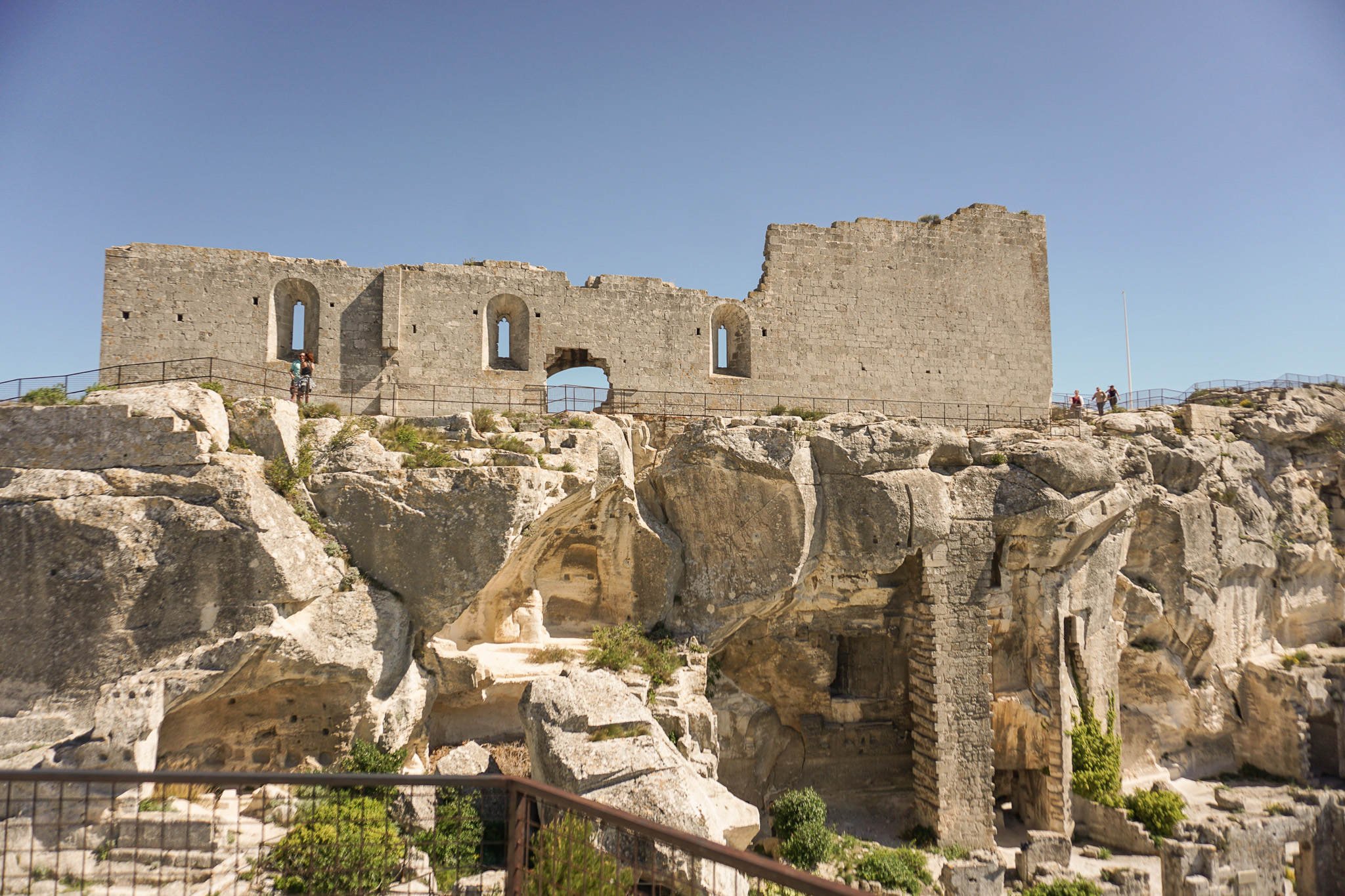
Today, the château is a ruin, but it’s still one of the most impressive castles in the South of France. During a visit, you can make out key parts – towers, sections of ramparts, and the remains of the keep – stretched across the rocky plateau above the village.
Exploring the Château Grounds
Upon entering, visitors receive a detailed map and schedule of daily activities. Audio guides are available in several languages, including English, offering historical context as you wander through the ruins. For families with children aged 7-12, activity booklets filled with games and puzzles make learning about medieval history engaging and fun.
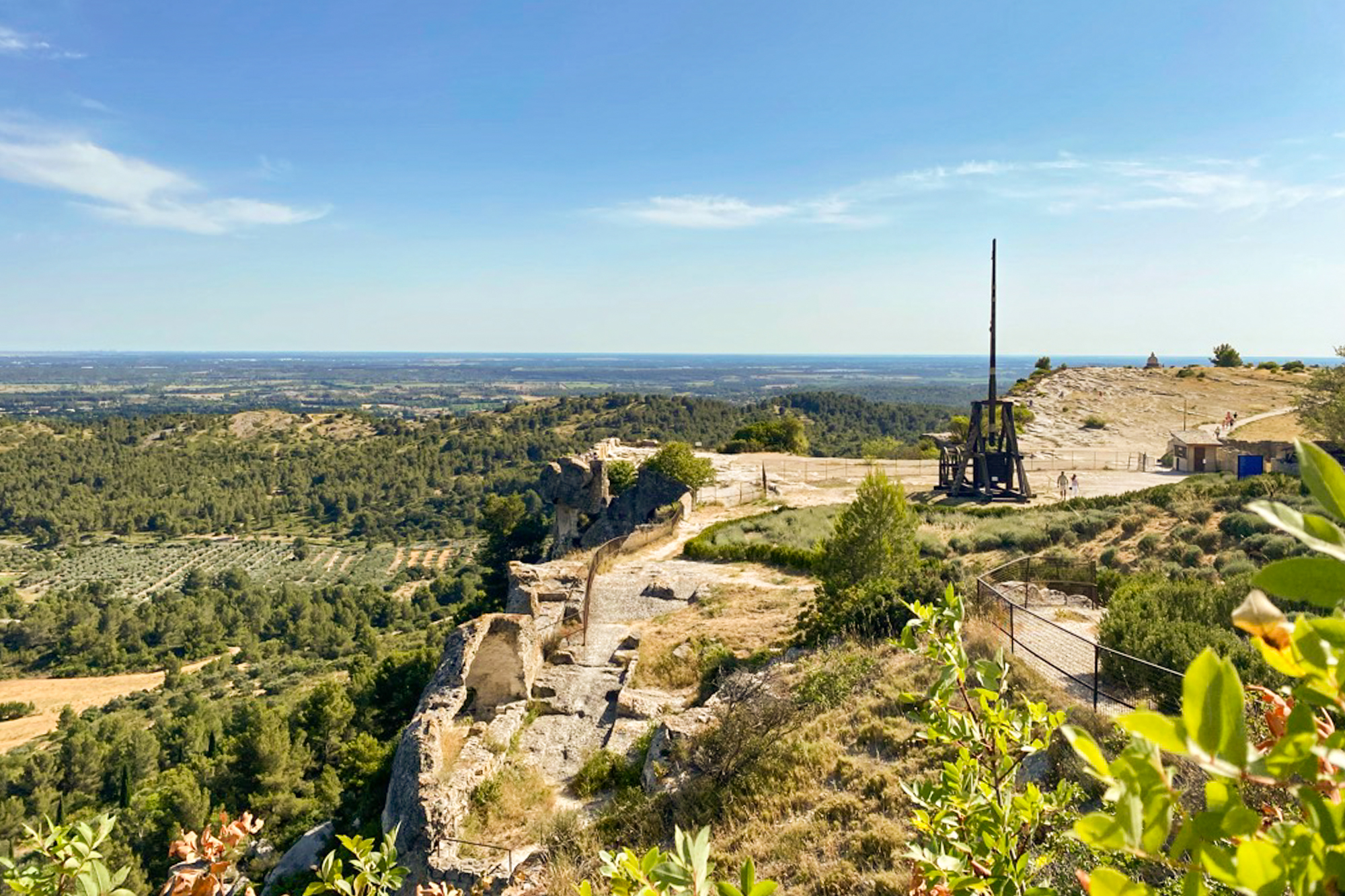
The outer ramparts offer vast views over the Vallée des Baux with its patchwork of vineyards and olive groves, framed by the distinctive white limestone of the Alpilles mountains. On clear days, the panorama extends from Aix-en-Provence to Arles, the Camargue wetlands, and even as far as the Mediterranean Sea. These are arguably the best views in all of Provence.
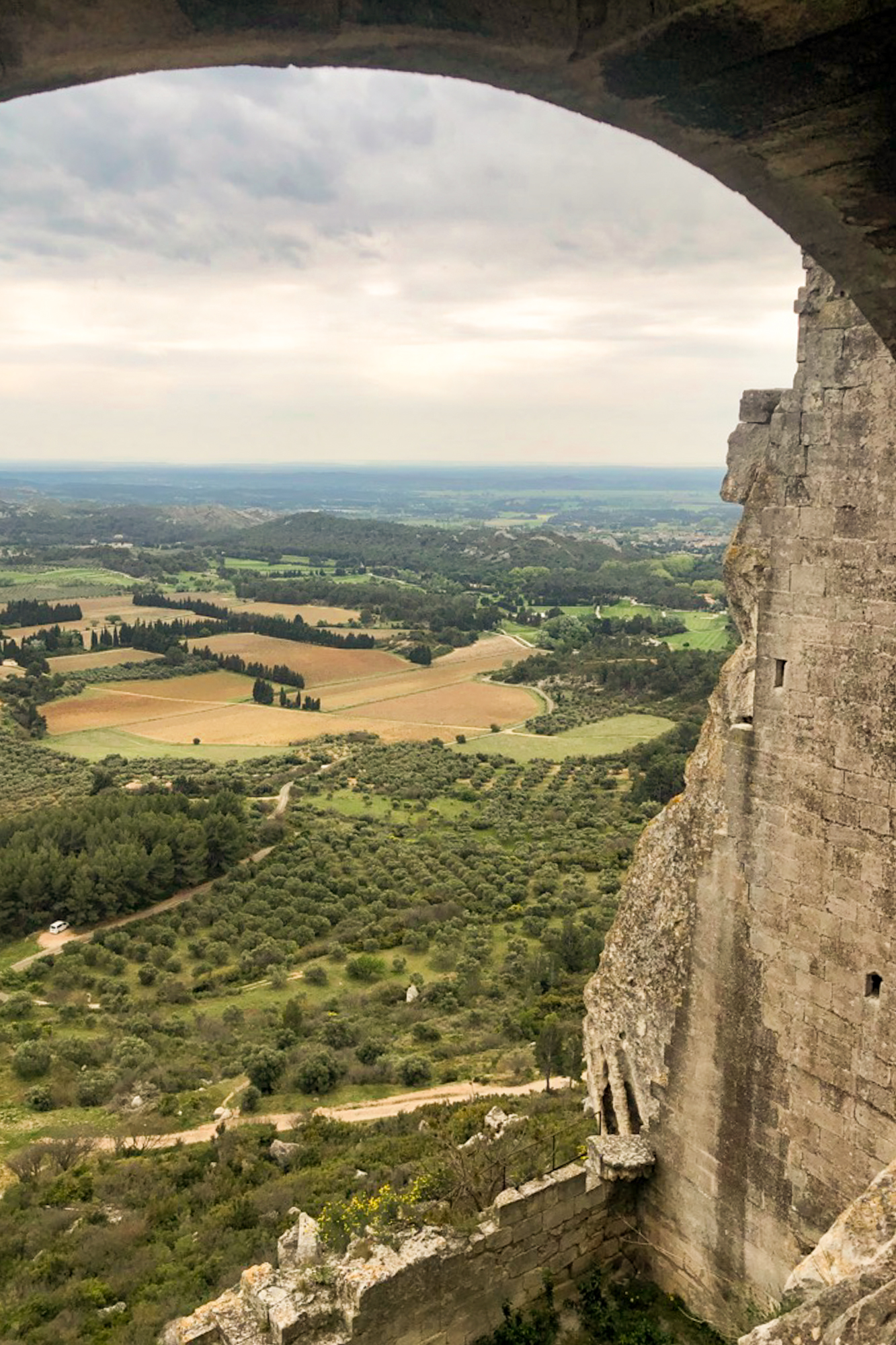
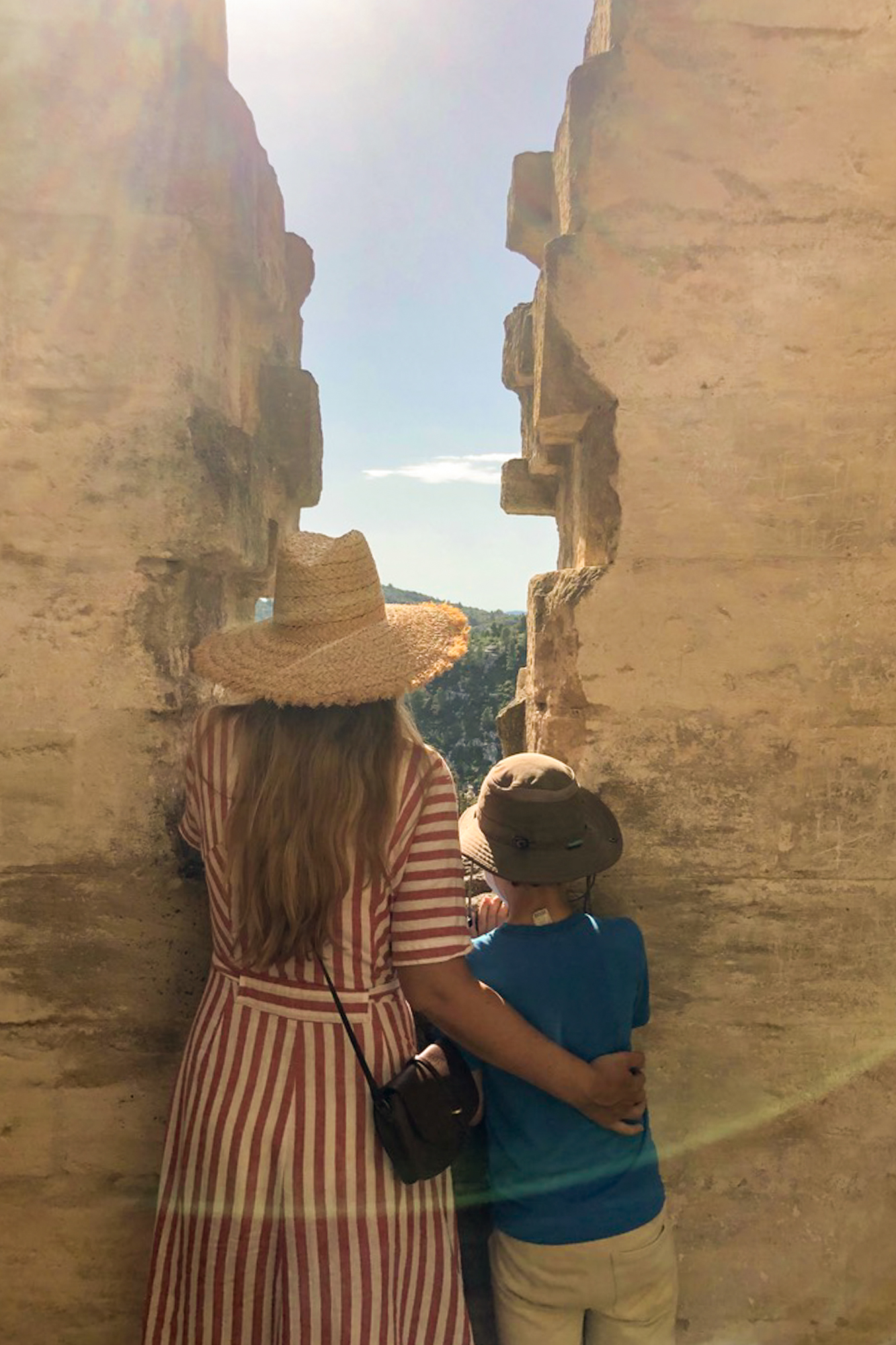
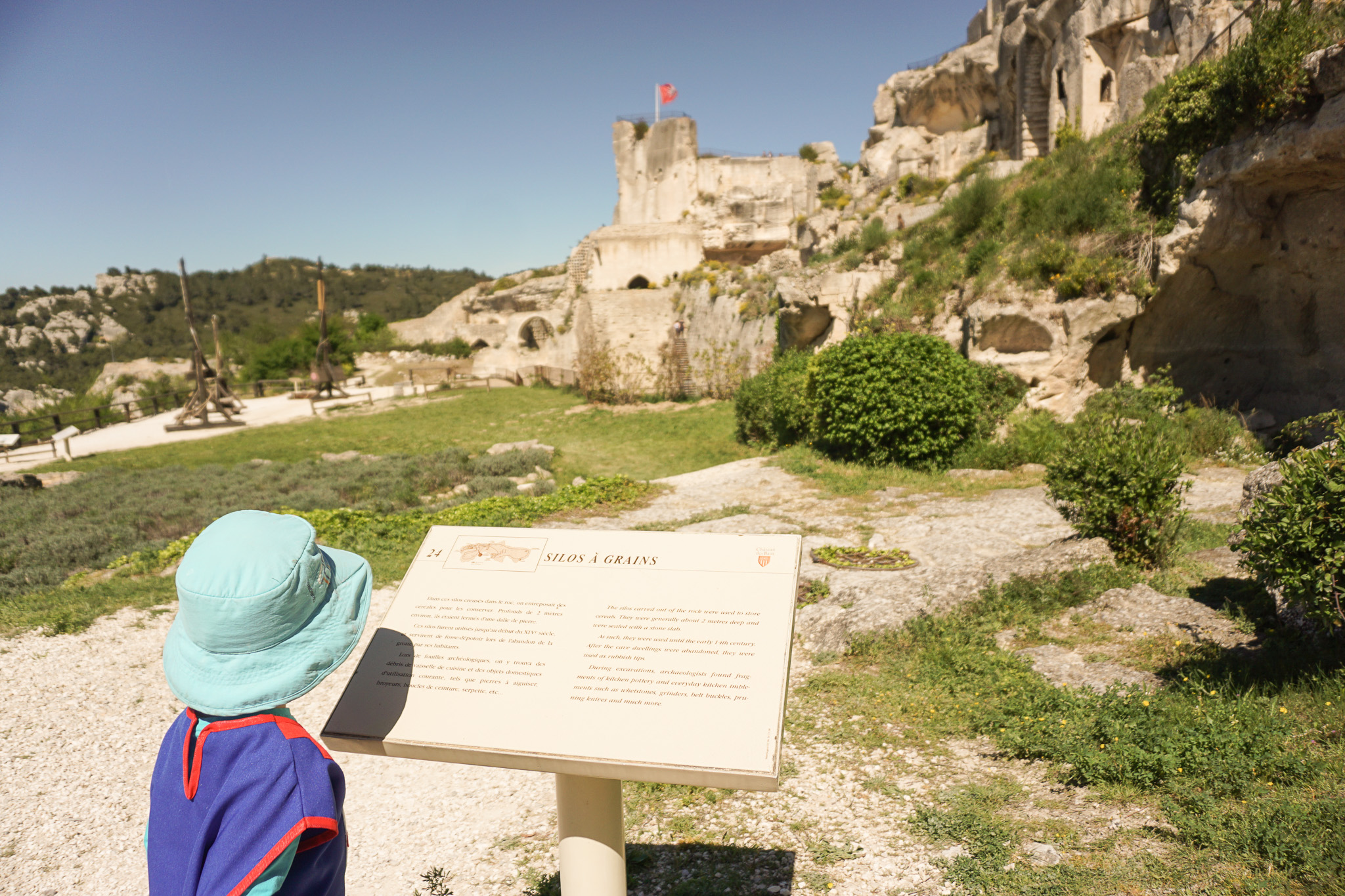
As you explore, information boards in French and English explain the various structures and their historical significance. The visual storytelling is equally compelling, with period illustrations depicting life during the château’s heyday, battles fought, and ceremonies celebrated.
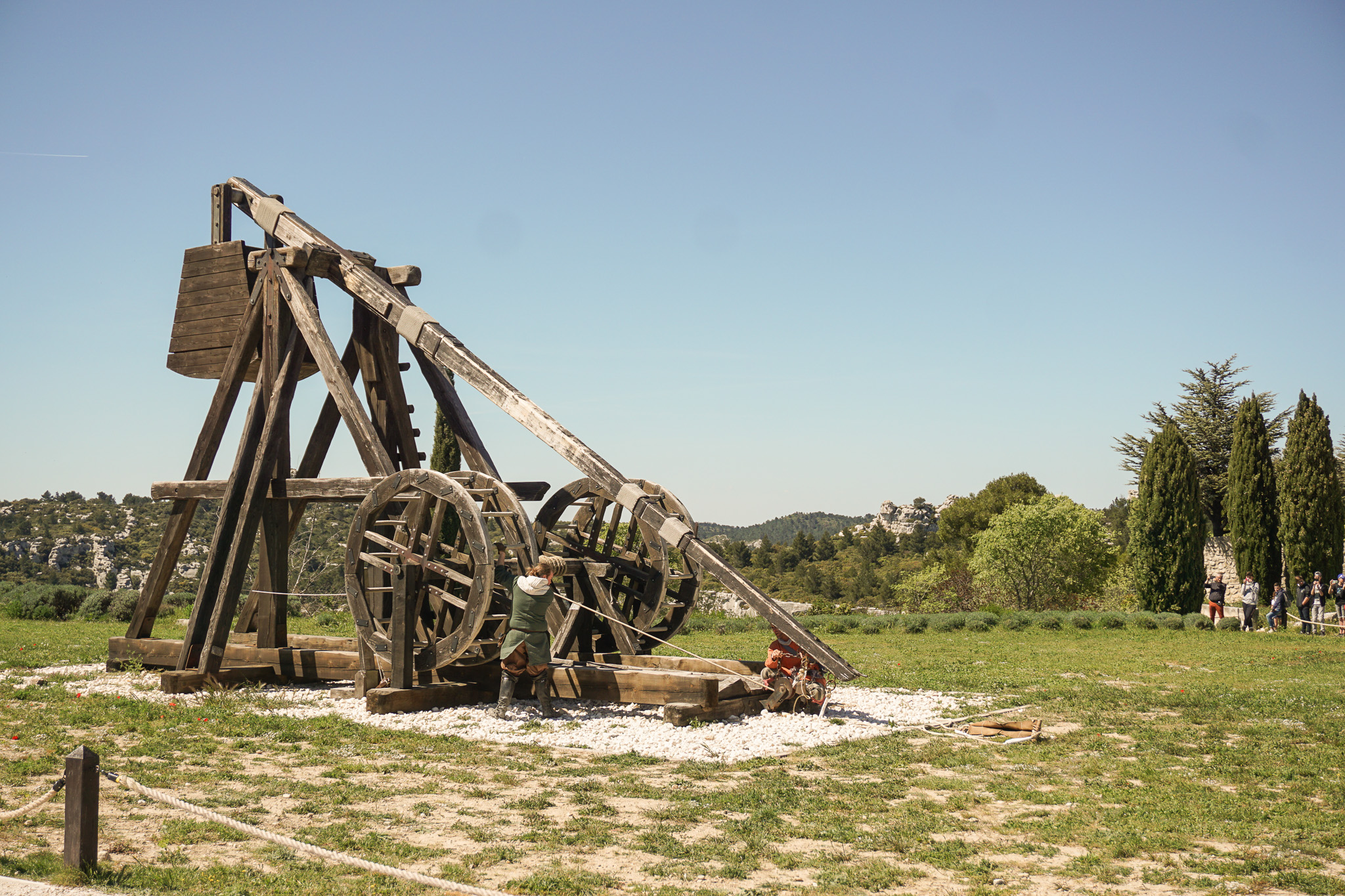
Key highlights include the massive siege weapons – full-scale replicas of medieval trebuchets and catapults that dominate the landscape. These impressive machines are not just static displays; during scheduled demonstrations, they spring to life, launching projectiles across the valley, much to the delight of visitors.
Don’t miss climbing the towers. The Saracen Tower and Paravelle Tower both offer elevated viewpoints that showcase the strategic importance of this fortress. The steep stairs and narrow passageways add to the authentic medieval experience – but do watch your step and wear sensible shoes. The keep, though partially ruined, still conveys the massive scale of the original fortifications.
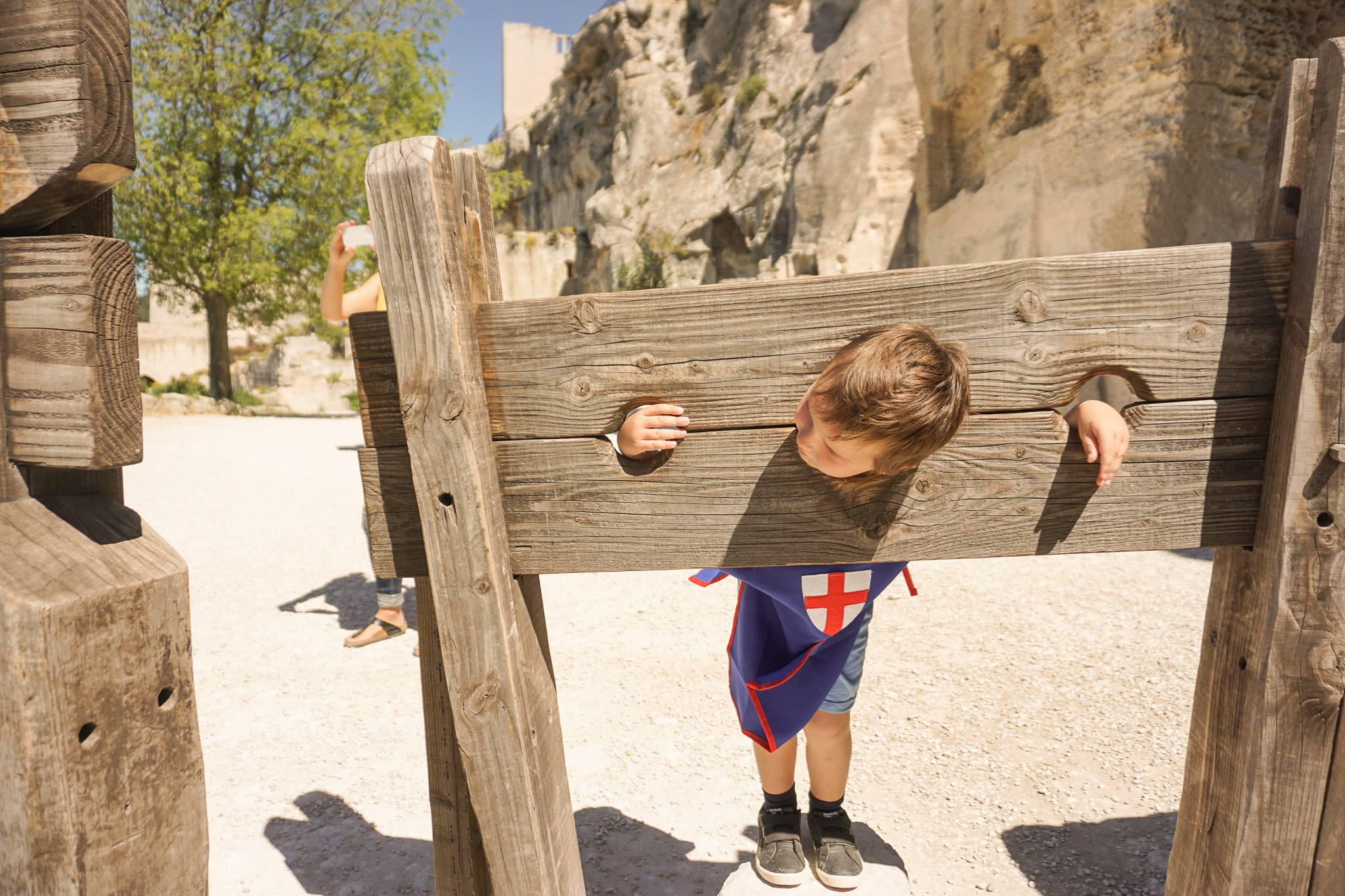
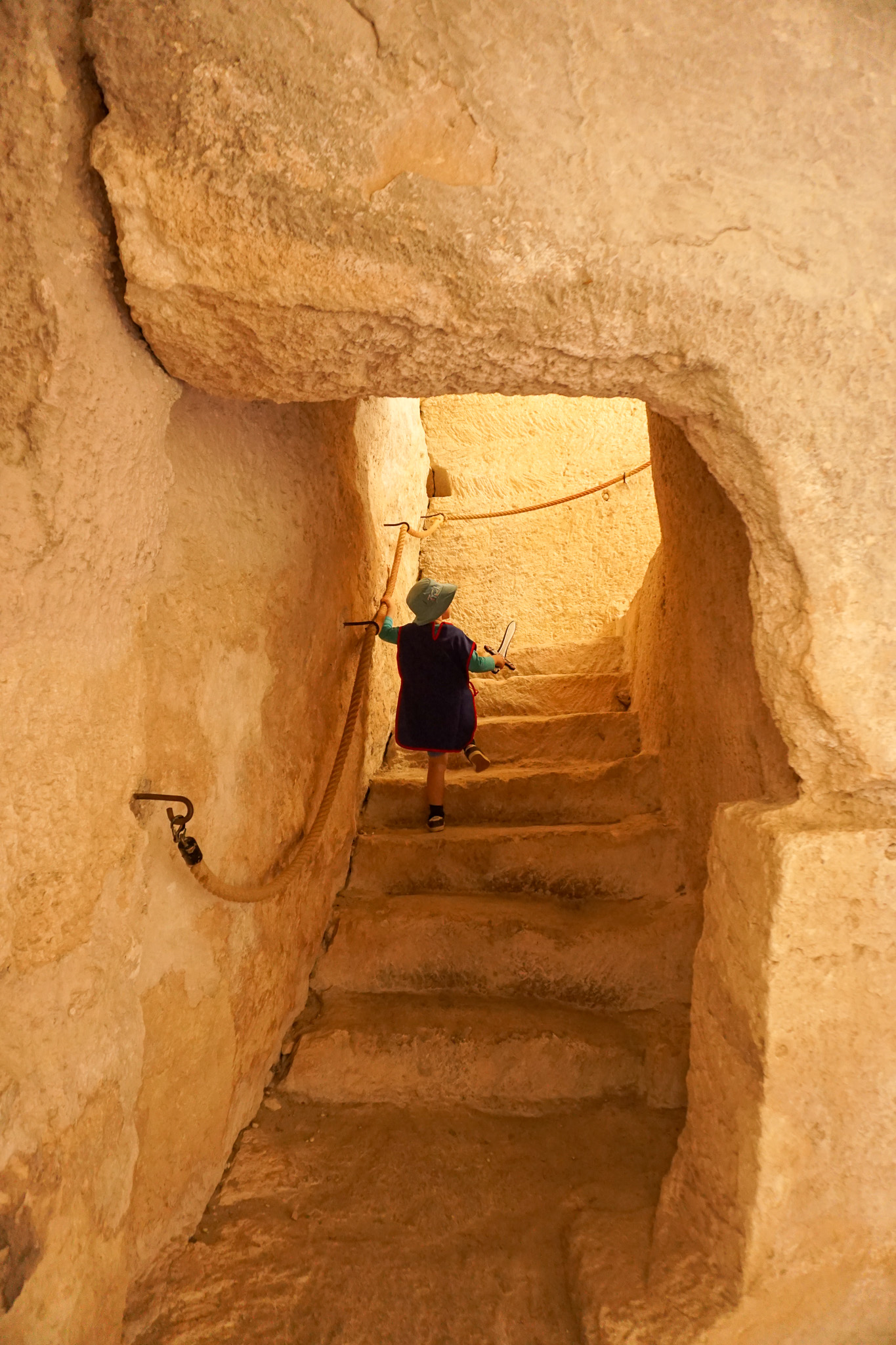
The château also features troglodyte houses – caves carved into the limestone that once formed an entire neighbourhood with villagers and shopkeepers. You can walk through these caves and imagine daily life in this rocky citadel. On select days, medieval workshops take place here, bringing the past into the present.
Medieval stocks provide a popular (and fun) photo opportunity as visitors experience what punishment felt like centuries ago.
RELATED POST: The Best Places to Stay in Provence, France
Carrières de Lumières: Art in an Extraordinary Setting
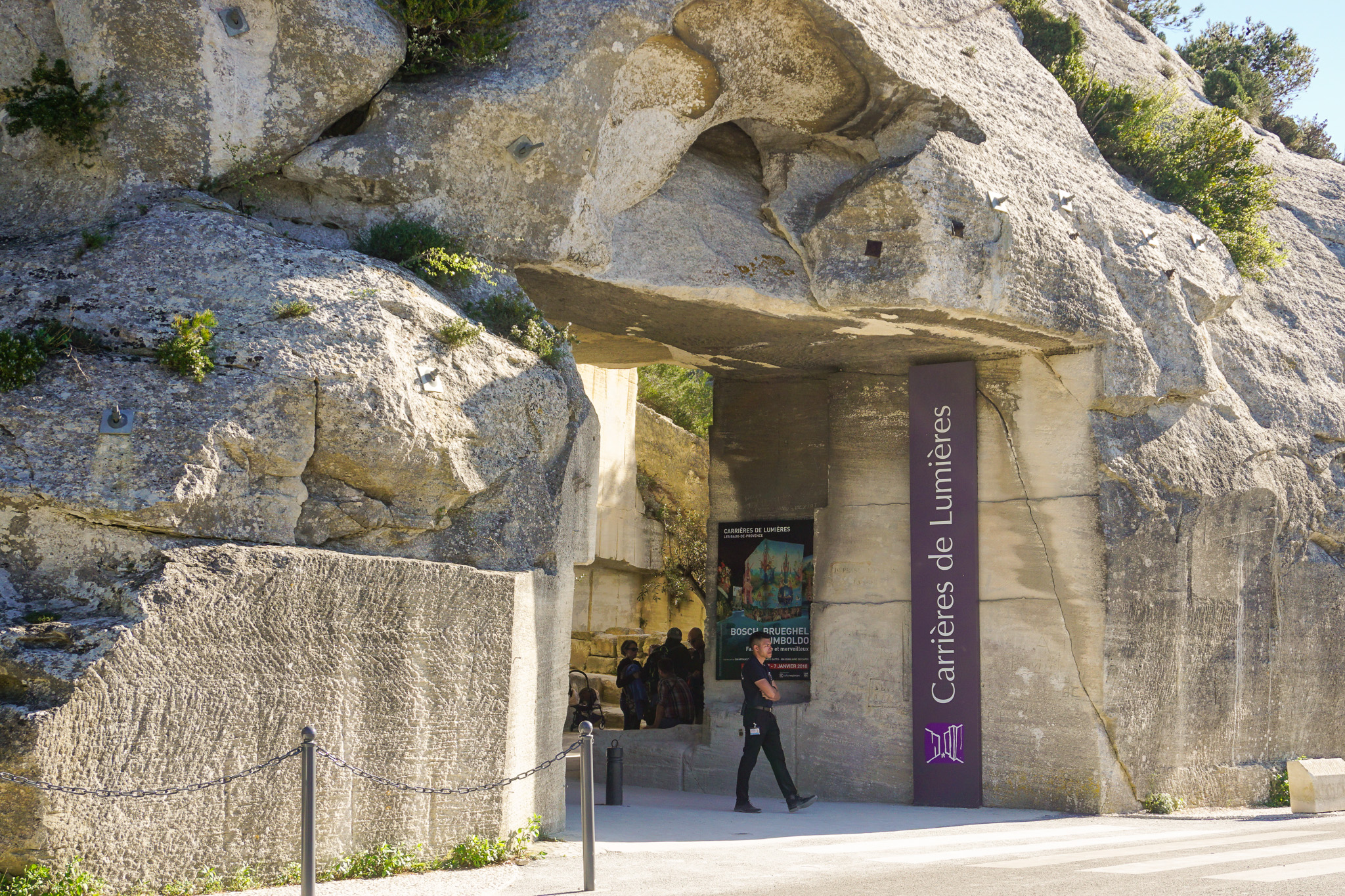
Now one of Provence’s most popular attractions, the Carrières de Lumières is located at the foot of Les Baux-de-Provence in an area called the Val d’Enfer (Valley of Hell). This former limestone quarry has been transformed into one of the most exceptional art venues in France.
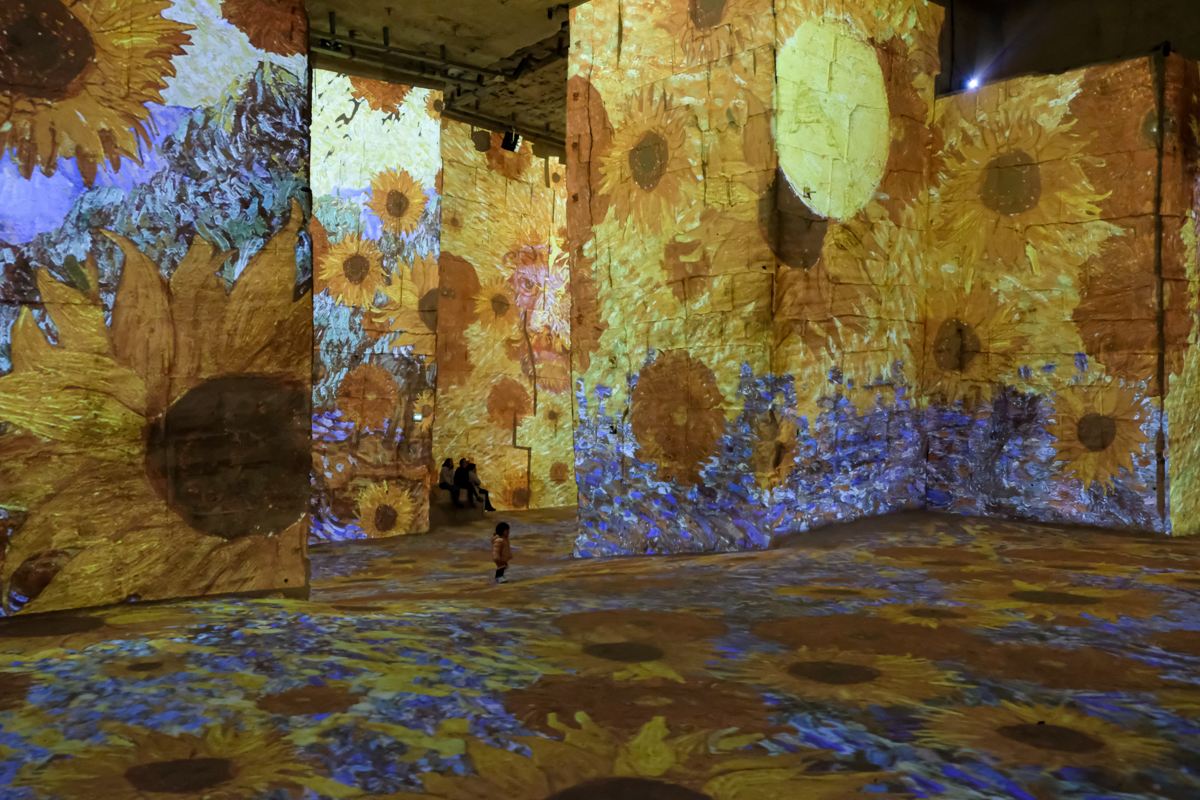
Since 2012, the Carrières de Lumières has hosted art & sound exhibitions that are fascinating for all ages. The venue uses projection technology to display masterpieces by great artists on the quarry’s 14-meter-high walls and floors. Combined with surround sound music, the result is a truly unique sensory experience where you become part of the art itself.
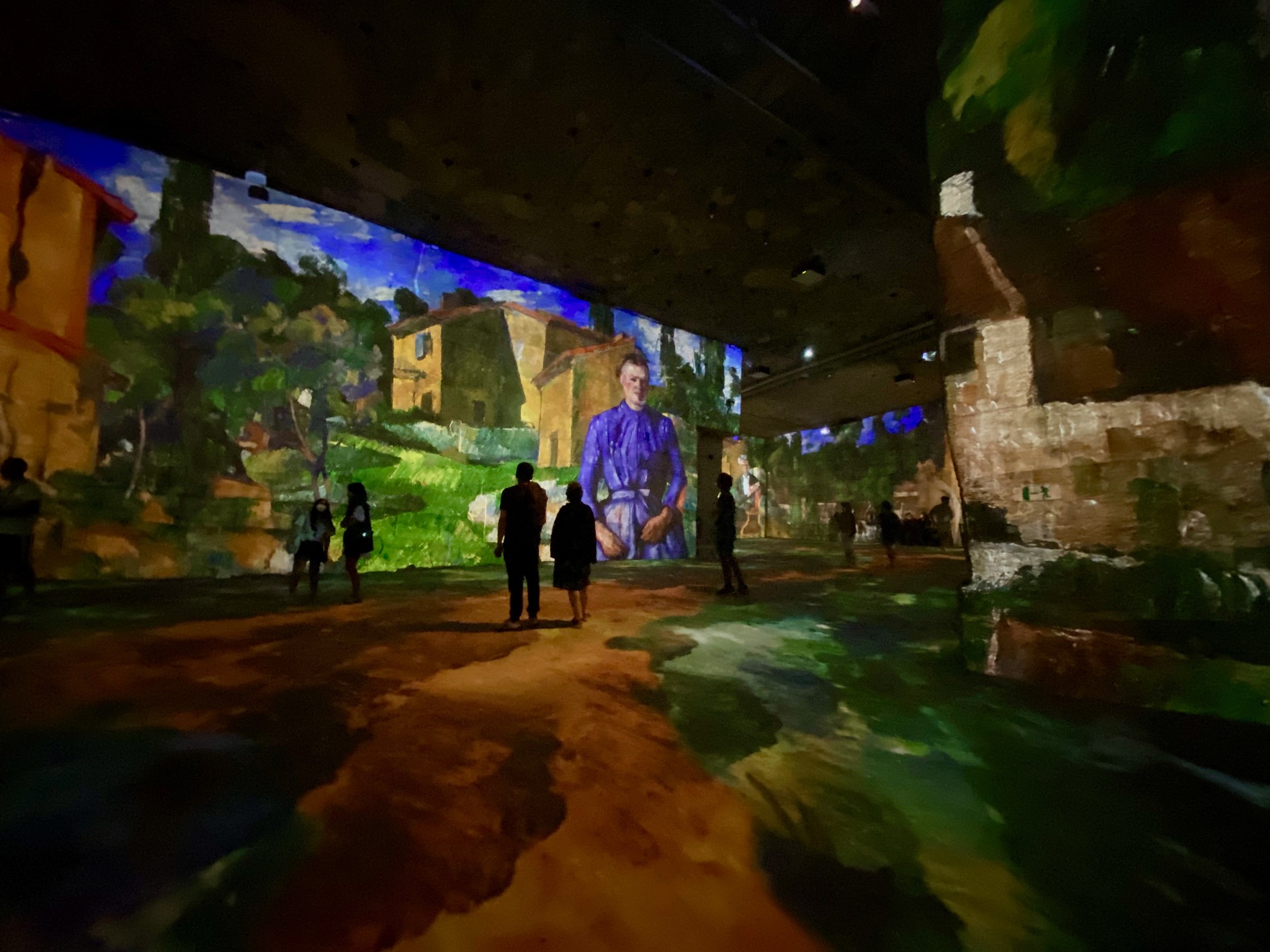
The cathedral-like quarry creates an otherworldly backdrop for these exhibitions. As you walk through the space, giant images surround you from every angle – projected onto stone walls carved by centuries of quarrying.
Visiting the Carrières de Lumières
The projection typically lasts 35-40 minutes and runs on a continuous loop throughout the day, so you can arrive at any time (in accordance with your booking slot) and watch multiple times if you wish. There are no assigned seats – visitors are free to wander through the space, sit on the stone benches, or stand to experience the art from different perspectives.
The interior of the quarry maintains a constant temperature of around 14°C (57°F), which is refreshingly cool on hot summer days but can feel quite cold even in warm weather. Bringing a sweater or light jacket is highly recommended – the shivers you experience will be from more than just the art!
The space is accessible for anyone with mobility issues, with a few stairs and wheelchair/baby pram ramps where necessary.
Note for families: The experience involves loud music and sound effects. Children sensitive to loud noises may find it overwhelming, as my son did the first time we visited. Though not strictly necessary, bringing ear muffs for the littlest visitors or those with sensitive ears may be a good idea.
Dining in Les Baux
Les Baux-de-Provence is home to some internationally renowned restaurants that showcase the best of Provençal cuisine. The village and its immediate surroundings offer dining experiences to suit all budgets and tastes.
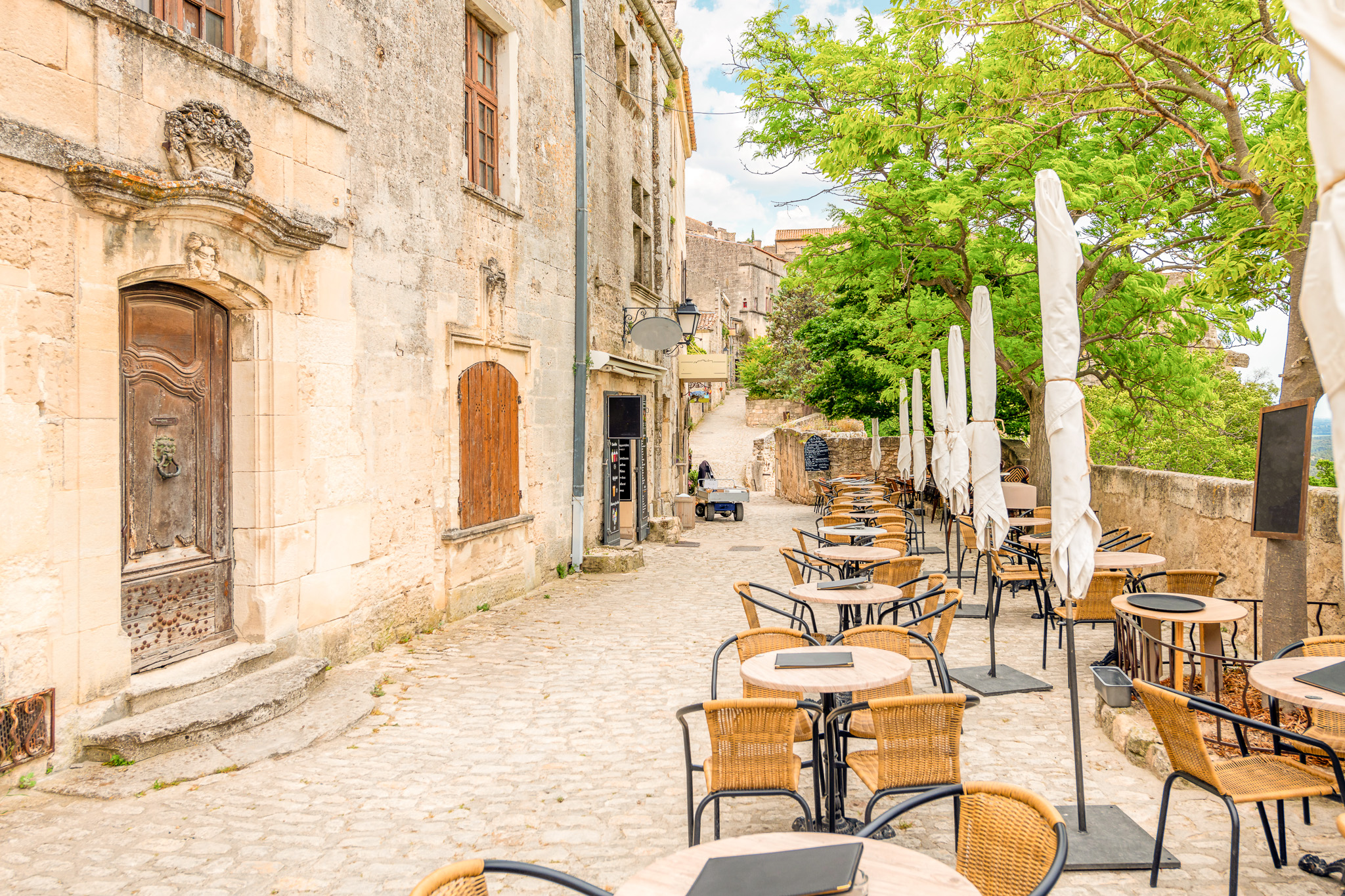
L’Oustau de Baumanière, just outside the village, is without doubt the most famous restaurant in the area. This two-Michelin-starred restaurant uses Mediterranean flavours to create exciting dishes in an impeccable setting. For a more casual but equally delicious experience, the Domaine de Manville works with local, seasonal produce and highlights the exceptional quality of Les Baux olive oil.
Within the village itself, you’ll find numerous bistros and restaurants with sunny terraces where you can enjoy authentic Provençal dishes. Many feature cosy patio settings perfect for lingering over lunch while soaking in the medieval atmosphere.
Don’t leave the region without experiencing an olive oil tasting at one of the many olive estates in the area. In the Vallée des Baux-de-Provence, the olive tree is king, and the local AOC Vallée des Baux olive oil is renowned worldwide. These tastings help you appreciate the subtle differences between local productions and understand the importance of the olive tree in the culture and economy of Les Baux.
Related Reading: Best Places to Dine Outdoors in Provence
Practical Information for Visiting Les Baux de Provence
Les Baux-de-Provence is located in the heart of the Alpilles Natural Regional Park, making it easily accessible from major Provençal cities. It’s around 1hr15 from Marseille, an hour from Aix-en-Provence, and only 40 minutes from Avignon. And if you’re staying in nearby Saint-Rémy, it’s only a quick 15-minute drive away.
The drive to Les Baux through the Alpilles is scenic and winding. As you approach, you’ll see the dramatic rocky outcrop topped with the village and château ruins rising from the landscape – a view that has captivated travellers for centuries.
Parking
There is no parking within the village itself, which is entirely pedestrian. However, several parking lots are dotted around the perimeter, and there’s also street-side parking available. You can expect to pay between €5-7 flat fee for the day. There are also reserved disabled parking spaces closer to the village.
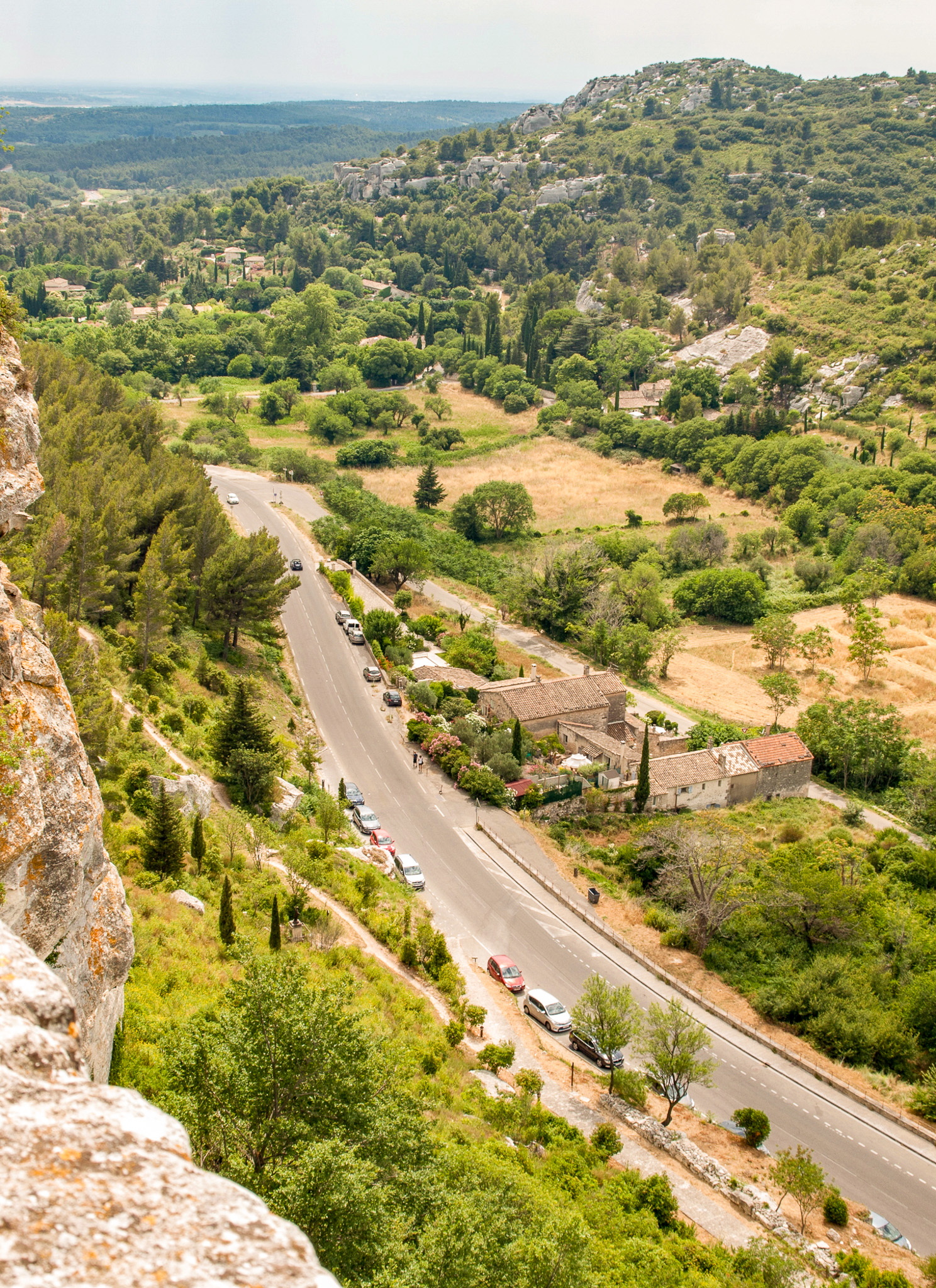
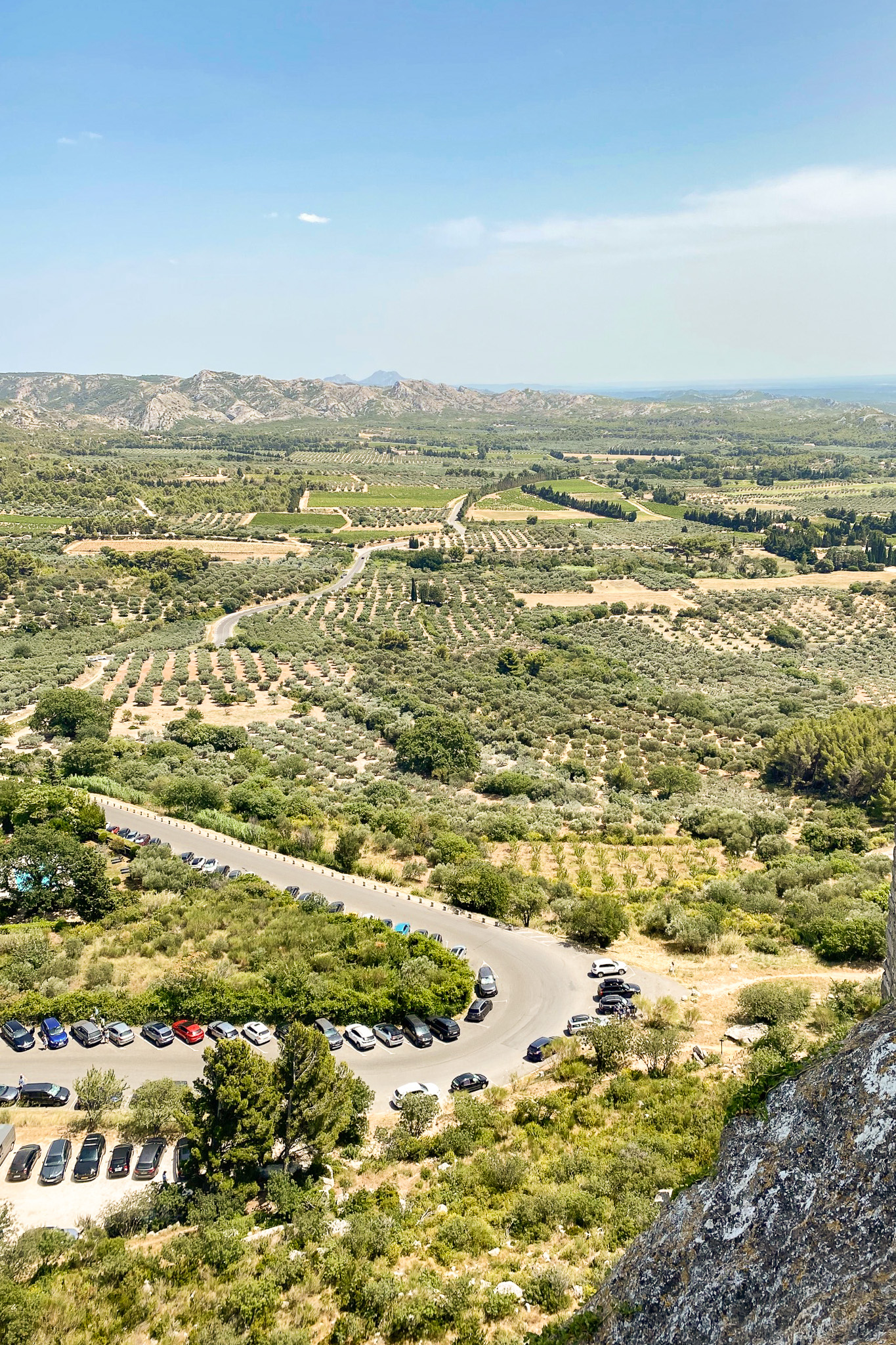
During peak season (especially summer) and weekends, parking fills up quickly. Arriving before midday significantly increases your chances of finding a spot closer to the village. The walk from the furthest parking areas is approximately 10-15 minutes uphill on paved roads – so be prepared for that if you arrive later in the day.
Important note: Be prepared for crowds during high season and holidays. Cars can snake up the roadside well before reaching the village, and you may need to wait for parking spaces to open up. This is a testament to Les Baux’s popularity – but it’s still worth the effort!
When to Visit
Les Baux-de-Provence is beautiful year-round, but each season offers a different experience. Spring is probably my favourite time to visit. You’re not guaranteed good weather, but the crowds will be fewer, and the demonstrations start again in April after a winter break.
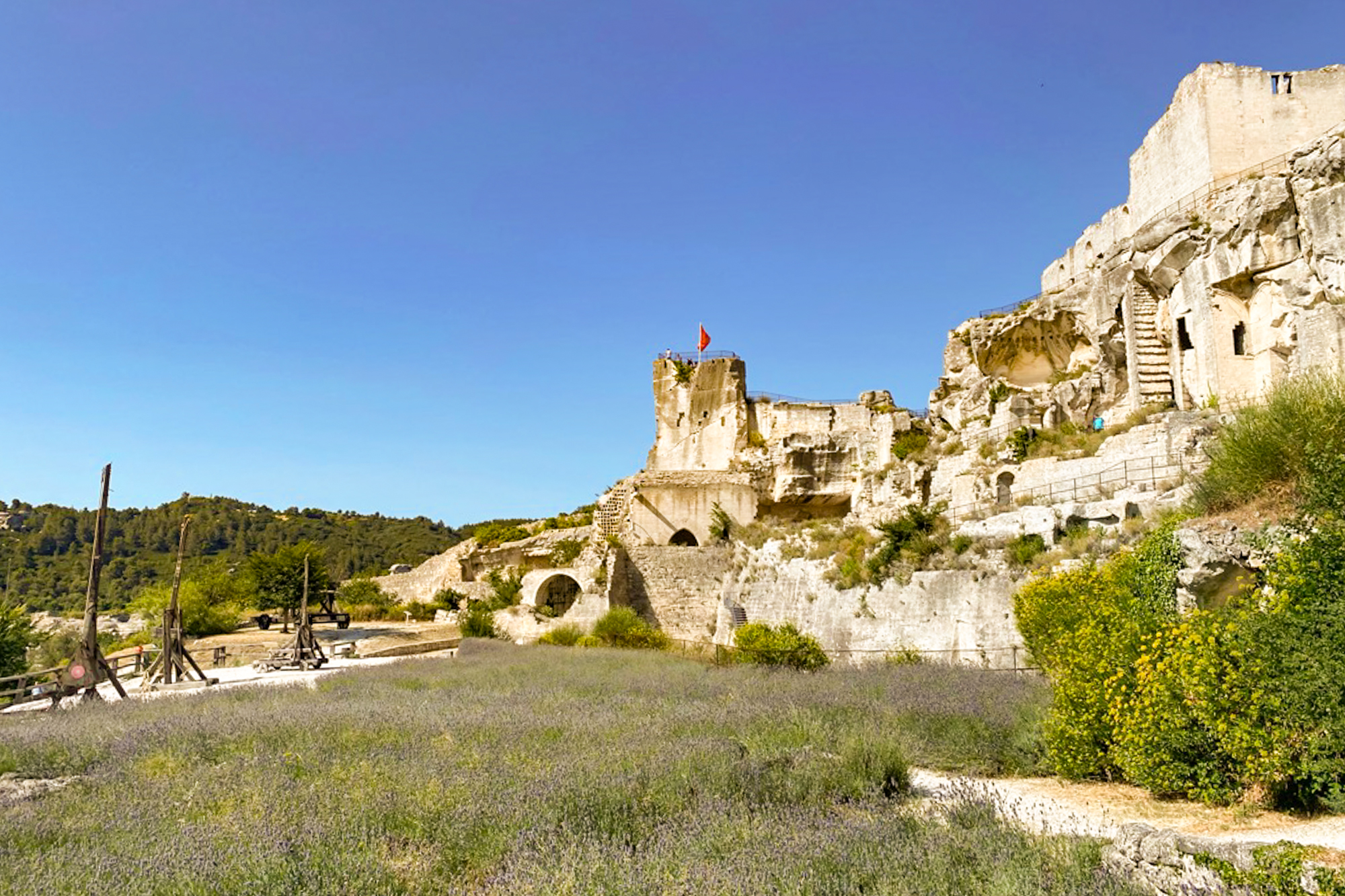
Peak season is obviously the summer months. This is when you’ll experience the highest visitor numbers and the fullest schedule of activities at the château. Extended opening hours allow evening visits too – so this can be a good option once the hottest part of the day has passed. Alternatively, arrive for a morning exploration of the village and chateau, before heading to the Carrières de Lumières after lunch for a welcome relief from the heat.
Autumn usually brings good weather and smaller crowds than summer. The soft light is perfect for photography, and the landscapes have turned shades of gold. It’s also harvest season in the surrounding vineyards and olive groves.
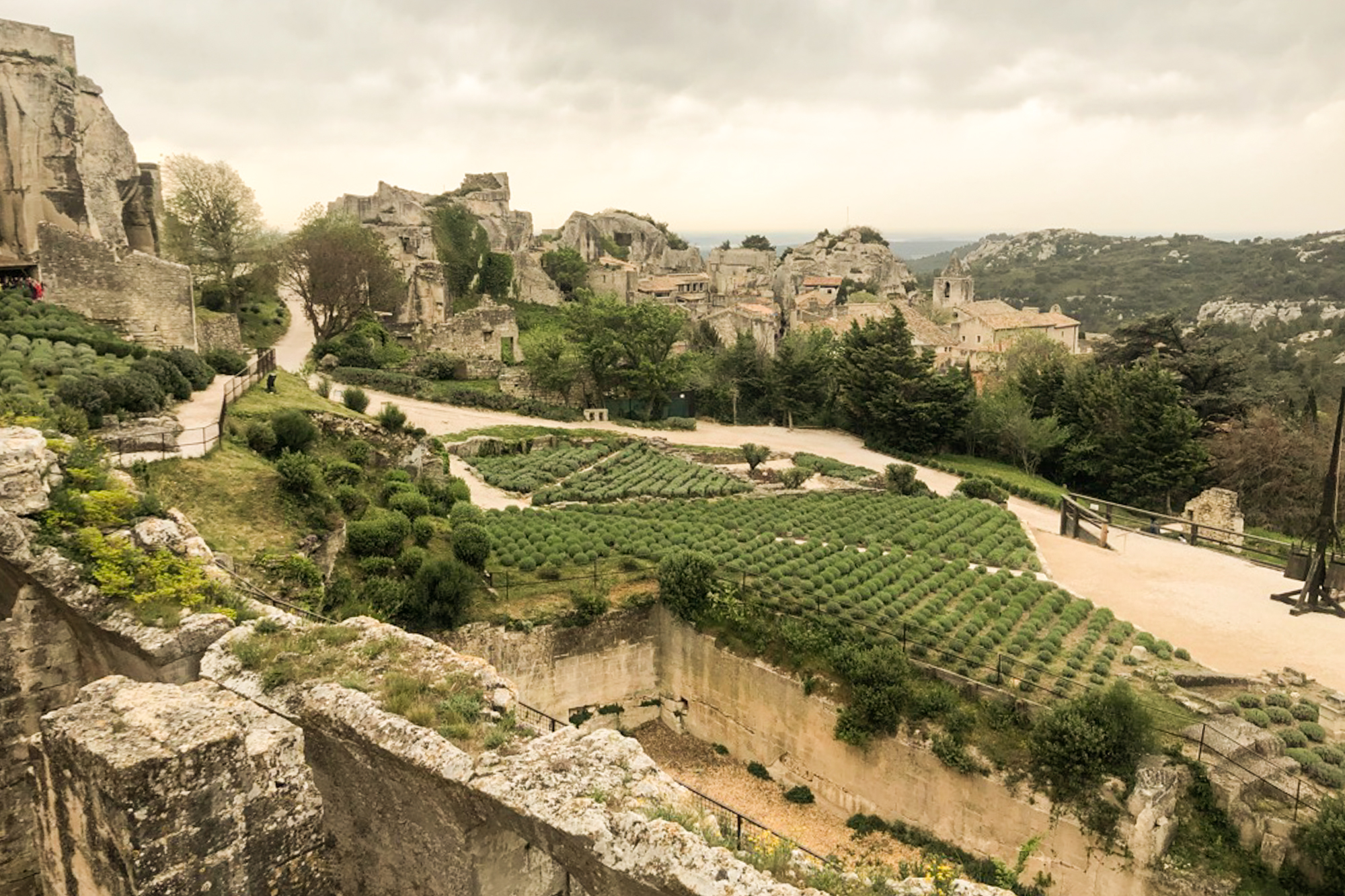
Winter is the quietest season with the most atmospheric ruins. The Mistral wind can be fierce, but clear winter days offer spectacular visibility. Be prepared for shorter opening hours and no château demonstrations, but a more contemplative experience.
Essential Tips
- Wear appropriate footwear. The terrain includes uneven cobblestones, steep stairs, and loose rocks.
- Bring water, and maybe some snacks. There are no food vendors within the château grounds. So bring snacks if you think you’ll need them and plan to eat in the village before or after. Bring refillable water bottles rather than purchasing from vending machines.
- Wear sun protection. There’s minimal shade at the château, especially in summer. Bring sunscreen, hats, sunglasses, and lightweight breathable clothing to stay comfortable.
- Bring a light layer for Carrières de Lumières. The quarry maintains a constant 14°C (57°F), so bring a sweater, even in summer.
- Strollers are impractical within the village and at the château. Use a baby carrier suitable for hiking instead.
- The château boutique sells knights’ costumes and toy swords that children love wearing during their visit.
- Remember to download the village treasure hunt booklets for children from the tourism office website before you arrive.
- Book tickets online. Especially for Carrières de Lumières during peak season, booking is highly recommended.
- You can buy a Pass Baux-de-Provence, which gains you access to both the Château and Carrières des Lumières. It also gives you 50% off admission to the Yves Brayer Museum.
Beyond Les Baux: Exploring the Alpilles Region
While a visit to Les Baux-de-Provence can easily take up an entire day of your travels, if you’re staying nearby, Les Alpilles offers exceptional landscapes, charming villages, and a rich cultural heritage to discover.
Saint-Rémy-de-Provence
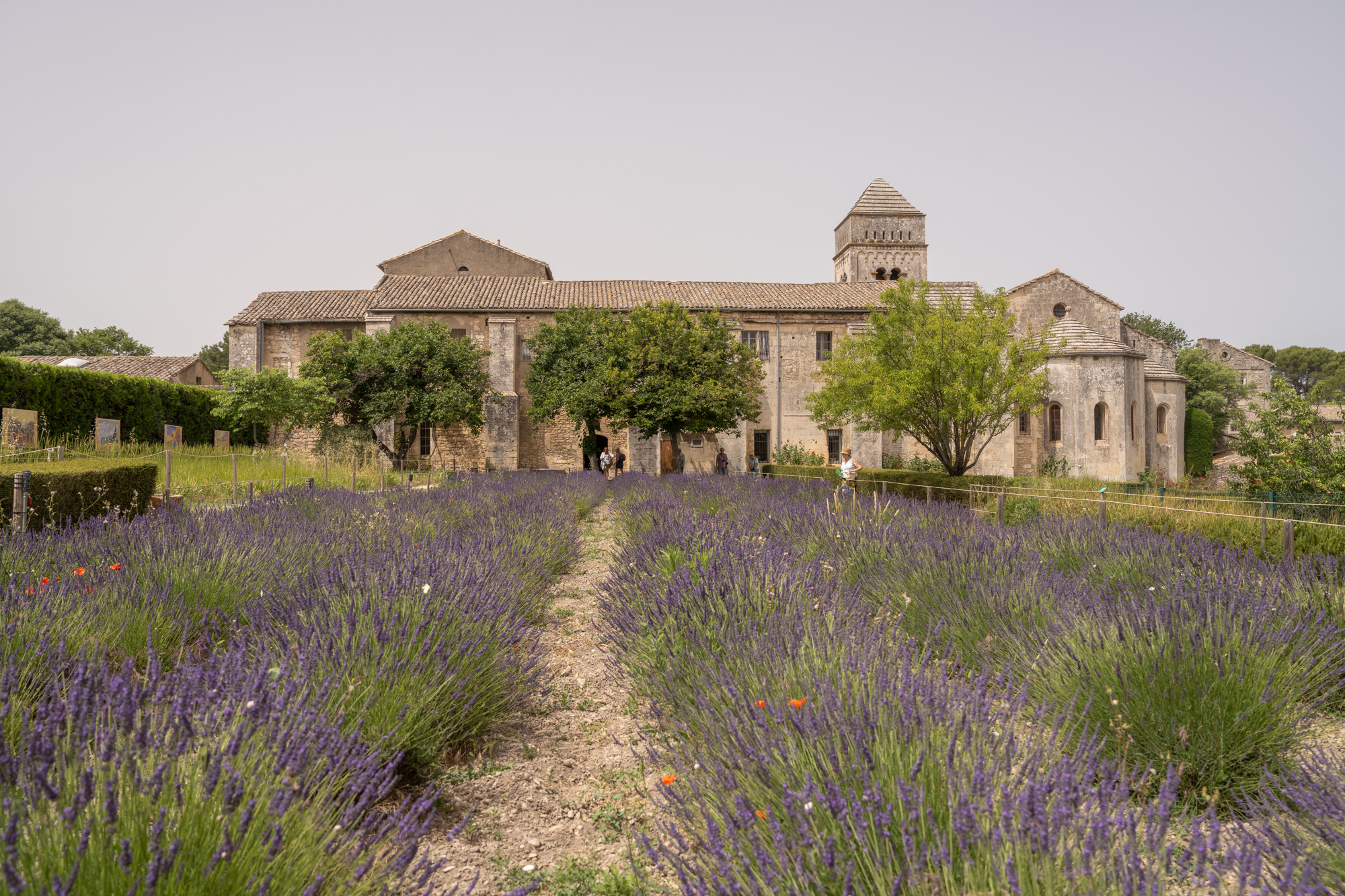
This charming town is built on one of Europe’s oldest archaeological sites. Visit the Glanum Roman ruins, explore Van Gogh’s asylum where he created some of his most famous works, and enjoy the Wednesday morning market – one of Provence’s finest. Musée Estrine celebrates the artist’s life and features his letters to his brother Theo.
Read also: Guide to Visiting Saint-Rémy-de-Provence / Van Gogh Trail
Eygalières
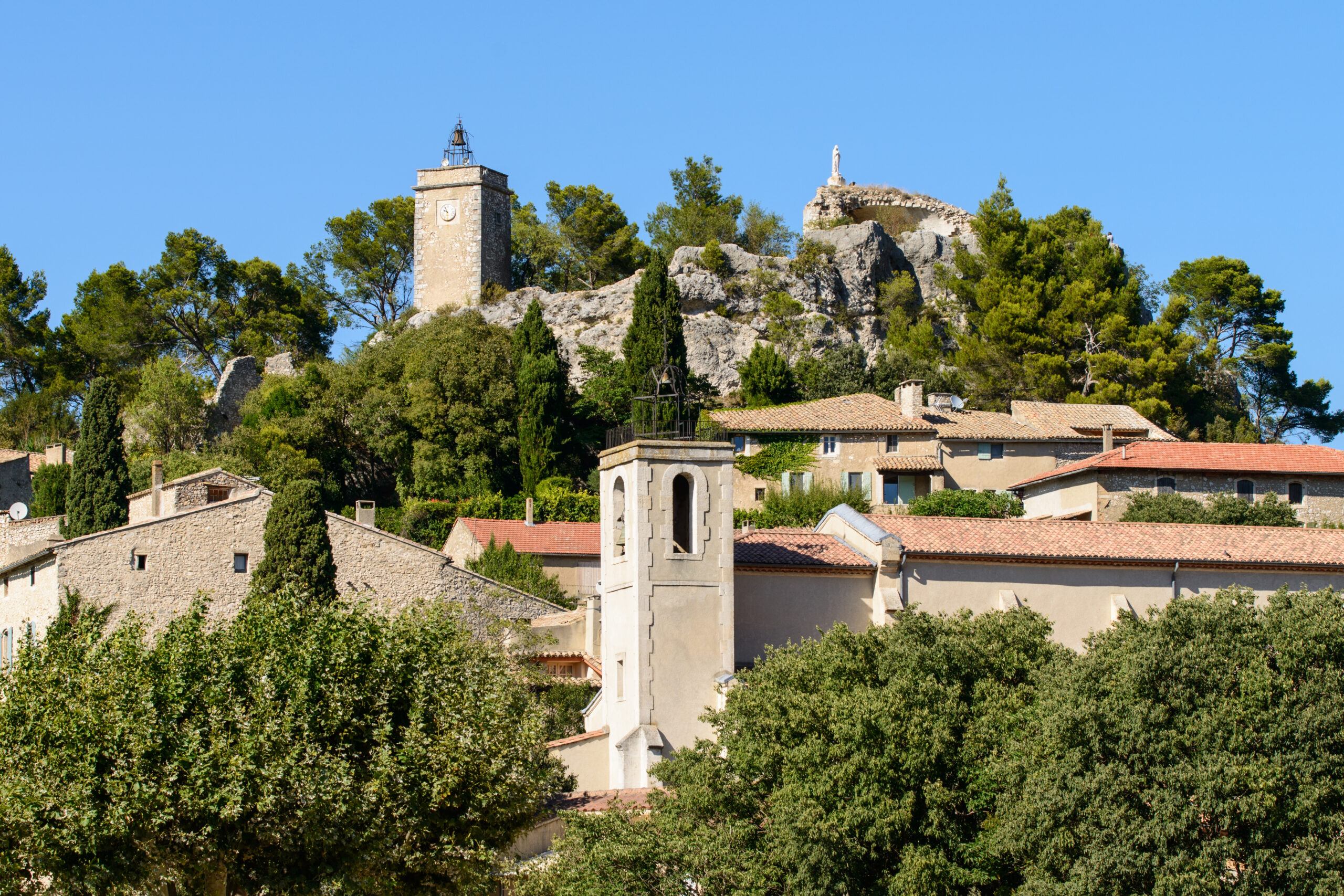
A tranquil hilltop village that has become a gastronomic destination, with several excellent restaurants, including the popular Chez Paulette. The village maintains an authentic atmosphere with its Friday morning market, art galleries, and stunning views from the medieval castle ruins at its summit.
Arles
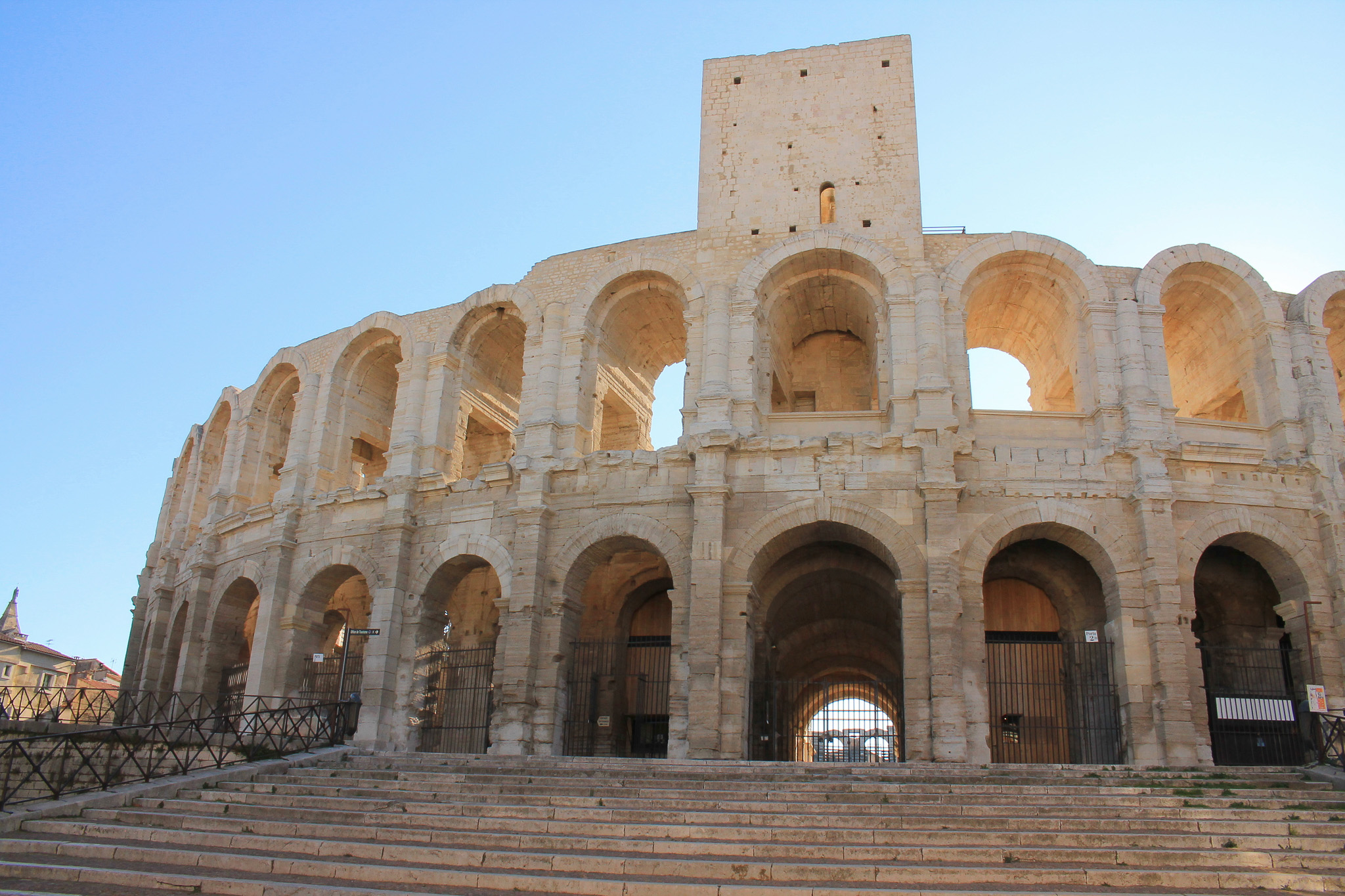
A UNESCO World Heritage city with exceptional Roman monuments, including a remarkably preserved amphitheatre that still hosts concerts, plus a Roman theatre, thermal baths, and the famous Alyscamps necropolis. The city is also intrinsically linked to Vincent van Gogh, who created over 200 paintings here during his 15-month stay, and serves as the gateway to the wild Camargue wetlands with its white horses and pink flamingos.
Read also: Guide to Arles
Wine and Olive Oil Estates
The Alpilles region is renowned for two exceptional products: wine and olive oil.
AOP Les Baux-de-Provence wines. Remarkably, 85% of the vineyards are cultivated using organic or biodynamic methods. A dozen wine estates offer tours and tastings. The reds are particularly noteworthy, with robust flavours reflecting the sun-drenched terroir.
AOC Vallée des Baux olive oil. This region produces some of the world’s finest olive oil. Three protected designations cover the broken green olives, black olives, and the oil itself. Many estates offer tastings that help you appreciate the subtle differences in production methods and varieties. The Alpilles Regional Nature Park has created “Flânerie entre les Oliviers,” a themed circuit through the olive orchards.
Hiking & Cycling
The Alpilles Natural Regional Park offers numerous marked trails for hiking, cycling, and horseback riding. The protected landscape features dramatic rock formations, fragrant garrigue scrubland, and panoramic viewpoints. The park’s exceptional biodiversity includes rare birds of prey and unique Mediterranean flora.
Les Baux-de-Provence offers a concentration of history, culture, natural beauty, and art within a compact area. The medieval village itself would be worth the journey, but when combined with the spectacular château ruins and the unique Carrières de Lumières experience, it becomes truly unmissable.
Whether you’re drawn by the panoramic views from the fortress ramparts, the atmospheric cobblestone streets lined with artisan boutiques, the cutting-edge digital art in a former quarry, or the outstanding Provençal cuisine in celebrated restaurants, Les Baux delivers an experience that appeals to all ages.




I visited Chateaux des Baux 21 years ago! It was fun to see some more recent (and better quality) photos!
That’s so cool Katie! I’m glad I was able to revive those memories for you 🙂
A treasure hunt – what a fun way to explore the castle grounds! We love Provence, the scenery is just stunning. How lucky you are to call it home!